
Selecting the right commercial RO plant manufacturer is more than just finding the lowest price. The decision involves evaluating multiple variables — from build quality and purification performance to system capacity, operating cost, after-sales support, and overall value. Here's how to compare different manufacturers effectively, and what factors matter most when installing a commercial RO system for hotels, hospitals, industries, or offices.
What Makes “Quality” in a Commercial RO Plant
When comparing RO plant manufacturers, “quality” refers not only to the final water purity but also to:
Build materials (membrane quality, pumps, tanks, piping)
Filtration stages and purification technology
Durability and long-term reliability
Compliance with safety and industry standards
After-sales support and maintenance backup
1. Components & Build Quality
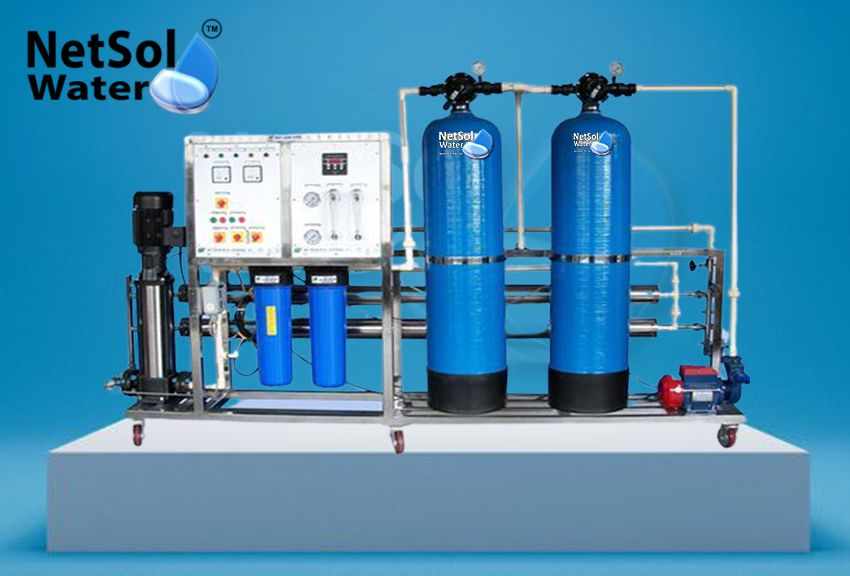
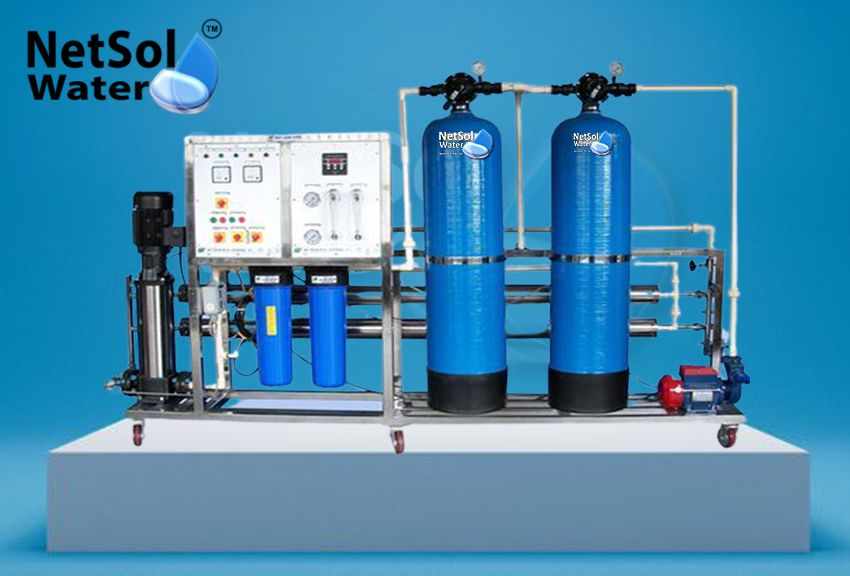
High-quality manufacturers use premium RO membranes, stainless steel tanks and pipes (or food-grade materials), corrosion-resistant fittings, industrial-grade pumps, and quality electrical/control systems. Cheaper systems often compromise here — leading to frequent breakdowns, leaks, water contamination, or inefficient water purification.
2. Filtration & Purification Technology
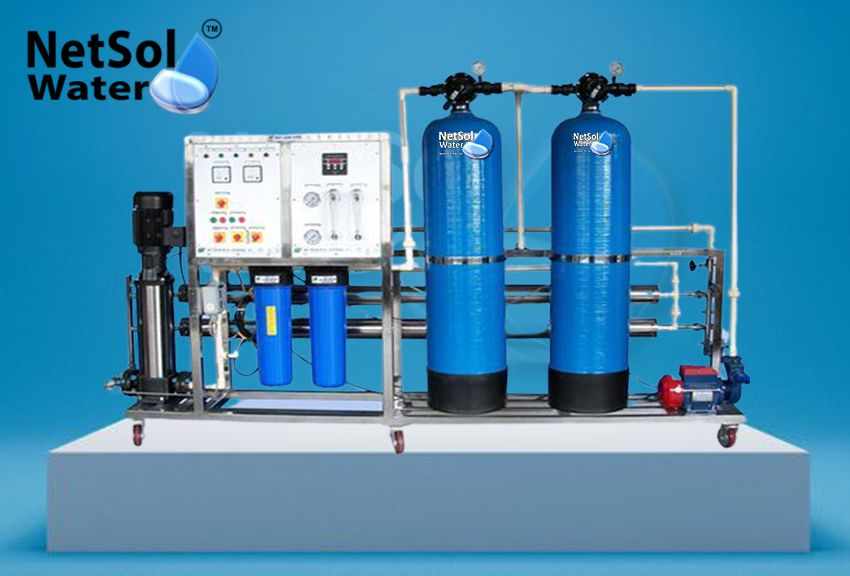
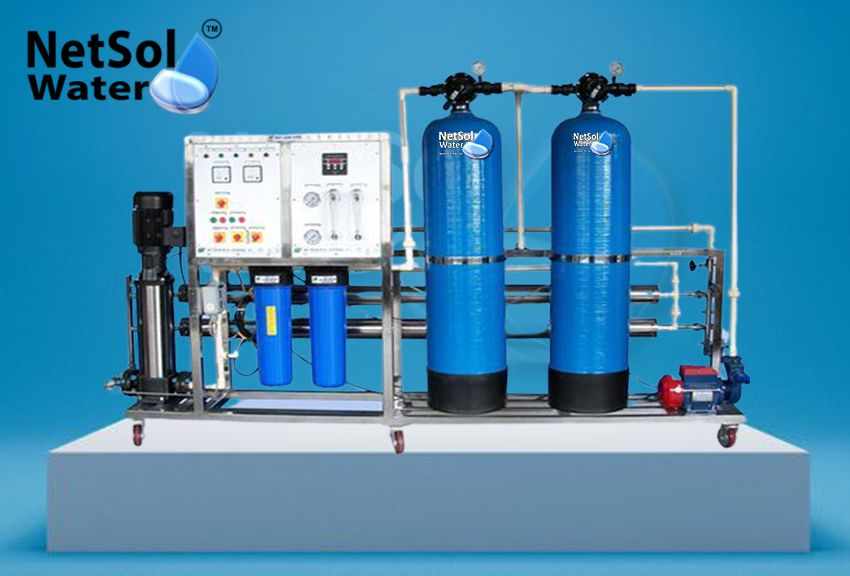
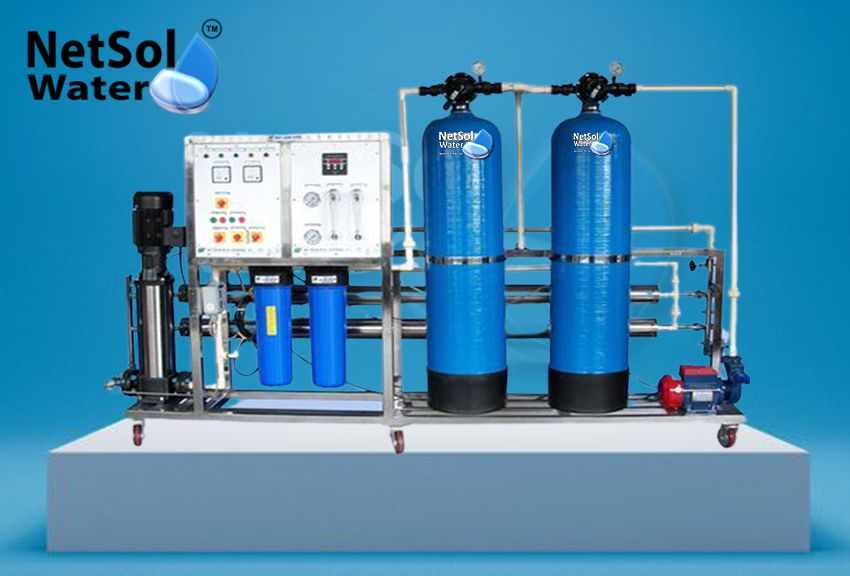
A robust commercial RO system should have a multi-stage filtration setup — sediment pre-filters, carbon filters, water softeners or antiscalant dosing, RO membranes, and often post-treatment (UV, activated carbon, mineral balancing). The more comprehensive and properly designed the filtration chain, the better water purity and system efficiency.
3. Purification Performance & Water Quality
Quality is measured by how effectively the RO plant removes impurities — dissolved salts, heavy metals, bacteria, chemicals, hardness, and contaminants — while (optionally) maintaining acceptable water taste or mineral balance. A reliable manufacturer will offer pre-installation water testing, system customization, and after-installation water-quality reports.
4. Durability & After-Sales Service
Commercial plants often run continuously or for long hours. Quality manufacturers offer durable systems built for heavy use, with easy maintenance, genuine spare parts availability, and AMC (Annual Maintenance Contracts). Long-term reliability is a key part of “quality,” not just upfront build.
Capacity: Matching Your Water Demand to RO Plant Size
Capacity is crucial. A system that's too small will fail to meet daily water needs; too large a system wastes resources and increases costs.
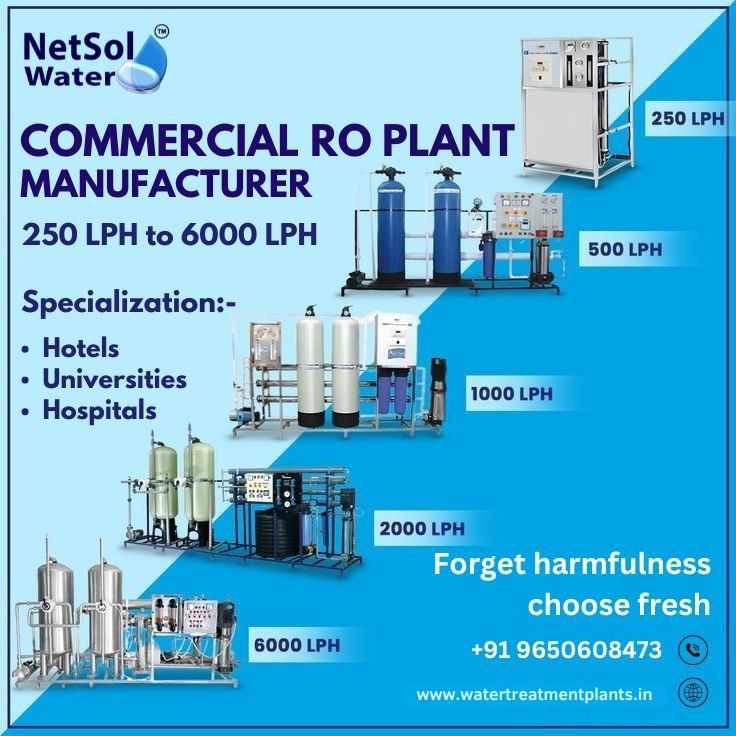
Small-scale commercial needs (e.g., small restaurants, offices, small hotels): 200–500 LPH (Liters per Hour).
Medium-scale operations (mid-size hotels, hospitals, medium factories): 500–2000 LPH or more.
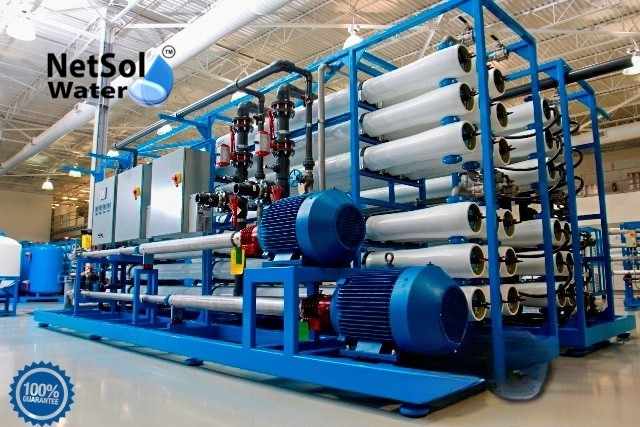
Large-scale industrial facilities, large hotels/hospitals, or high-demand factories: 2000–10,000+ LPH.
When comparing manufacturers, ensure they offer appropriate capacity options — and ideally allow customization if your demand falls between standard capacity bands.
Price vs. Value: Understanding True Cost of Ownership
Price is always important — but the lowest sticker price may not translate into lowest lifetime cost. When evaluating price, consider:
Initial cost (purchase & installation)
Operating cost (electricity, water wastage, consumables)
Maintenance cost (spare parts, membrane replacement, labor)
Downtime cost (if the system fails or underperforms)
A mid-priced, high-quality RO plant with good efficiency and low maintenance can be more cost-effective over 5–10 years than a cheap, unreliable system.
How to Compare Different Manufacturers — A Checklist
FactorWhat to CheckBuild QualityQuality membranes, stainless steel or food-grade materials, heavy-duty pumps, quality fittingsFiltration StagesPre-filters, antiscalant/softening options, post-treatment (UV, carbon, mineral balancing)Water Purity GuaranteePre-installation water test, water-quality results, ability to meet required standardsCapacity OptionsRange of standard capacities + custom capacity design if neededEnergy & Water EfficiencyHigh recovery rate, low wastewater, energy-efficient pumps or VFDsAfter-Sales ServiceAMC options, genuine spare parts, maintenance frequency & cost, response timeTotal Cost of Ownership (TCO)Installation, energy, maintenance, consumables, downtime costsWarranty & CertificationISO or relevant quality standards, warranty on components, compliance with regulations
Key Takeaways for Buyers
Prioritize quality, filtration capability, and after-sales support over just the cheapest price.
Match capacity with your actual water requirement — too large or too small plants both have drawbacks.
Calculate total cost of ownership (installation + operations + maintenance + downtime), not just upfront cost.
Ask for pre-installation water quality analysis and customization based on your water source and usage.
Choose a manufacturer who offers transparent documentation, certifications, and warranties.
Conclusion
When it comes to commercial RO plants, not all manufacturers are equal. By carefully comparing quality, capacity, and price, you can identify a system that delivers reliable performance, pure water, long-term savings, and minimal disruptions. Whether you run a hotel, hospital, factory, or corporate campus — investing in the right RO plant can significantly impact water safety, cost-efficiency, and operational continuity.
Before you decide, create a checklist based on the factors above. Evaluate manufacturers not just on price, but their filtration technology, build quality, after-sales support, and long-term value. The right choice will help you ensure consistent water purity, reduce maintenance burdens, and support sustainable operations for years to come.

Write a comment ...