
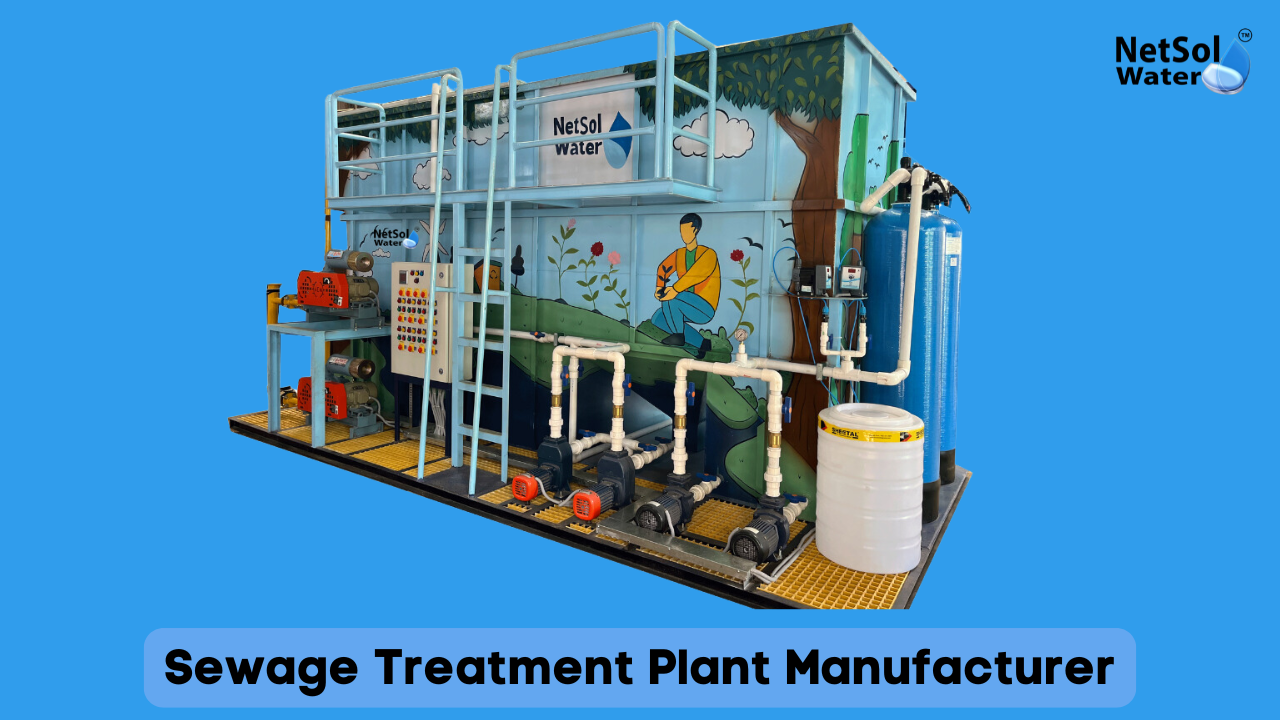
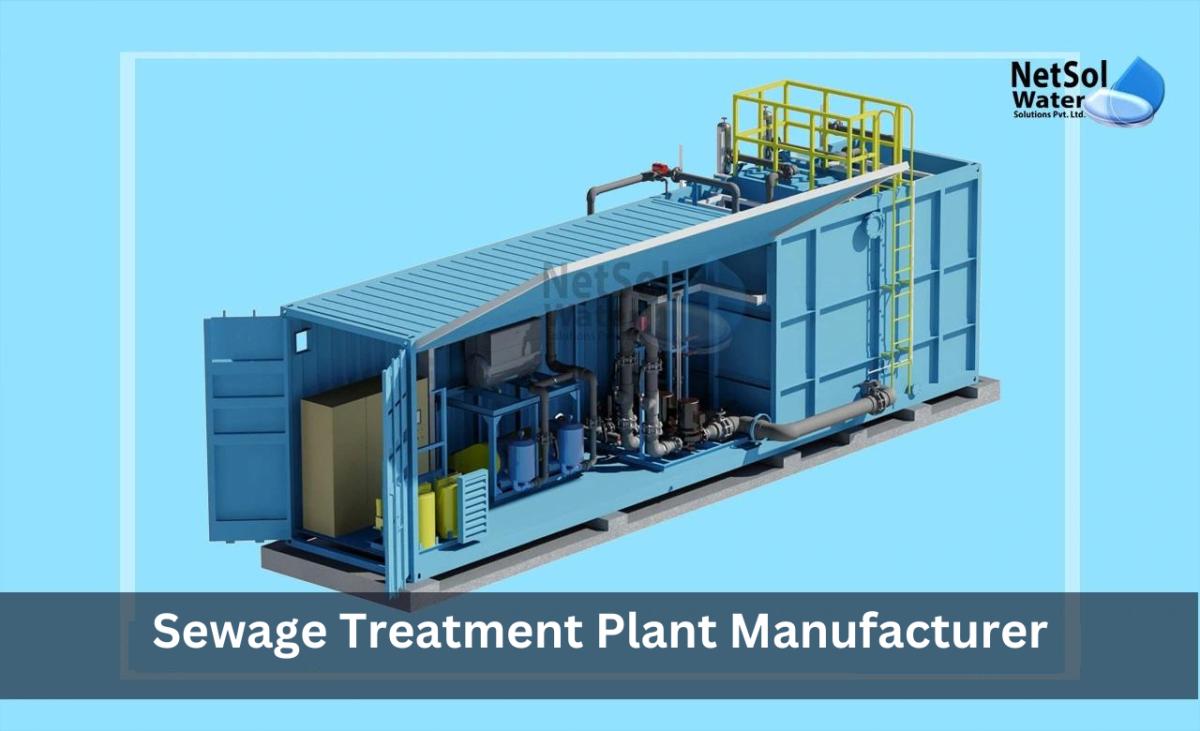
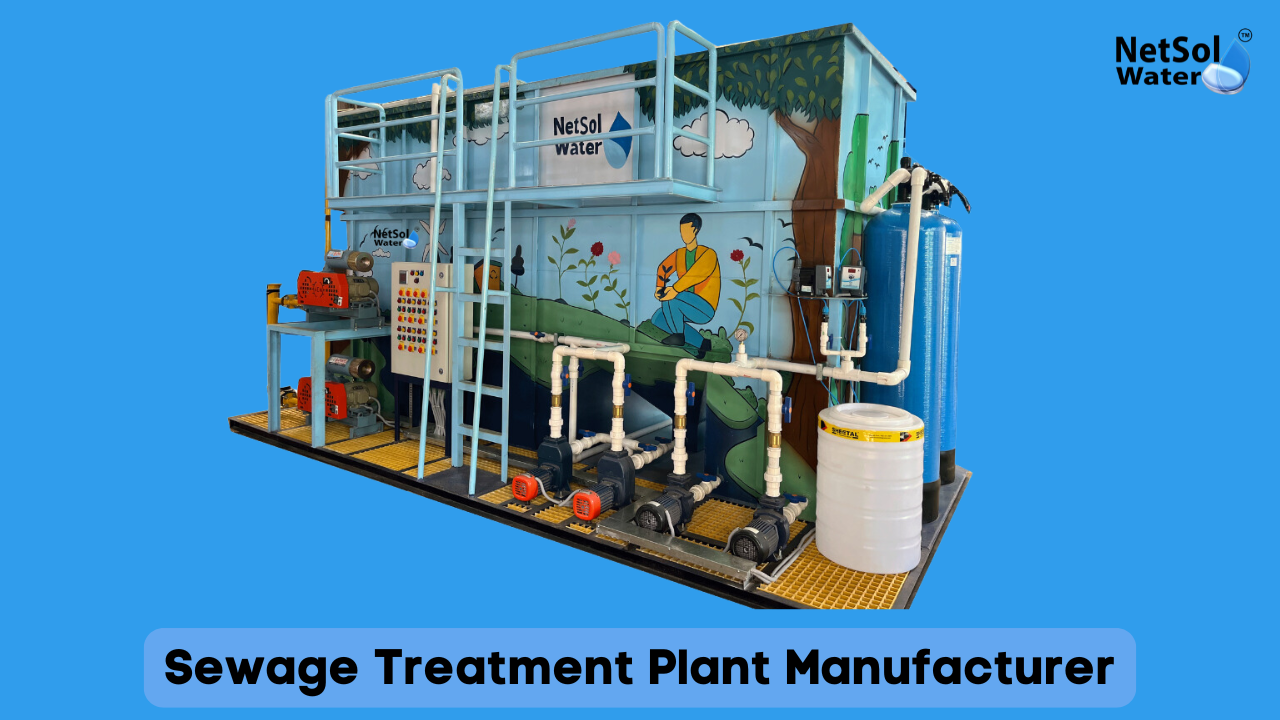
Wastewater management has become a critical priority for industries, commercial establishments, and residential complexes alike. Improper disposal of sewage not only pollutes the environment but can also lead to regulatory penalties, health hazards, and reputational risks. A Sewage Treatment Plant (STP) plays a vital role in ensuring that wastewater is treated effectively before discharge or reuse. However, the performance, efficiency, and compliance of an STP depend largely on the expertise of the manufacturer. Choosing an experienced Sewage Treatment Plant Manufacturer is crucial for achieving reliable, long-term, and cost-effective wastewater treatment solutions.
The Role of a Sewage Treatment Plant Manufacturer
A sewage treatment plant manufacturer is responsible for the entire lifecycle of an STP—from initial planning and design to installation, operation, and ongoing maintenance. Their responsibilities typically include:
Conducting detailed analysis of wastewater characteristics, such as biochemical oxygen demand (BOD), chemical oxygen demand (COD), total suspended solids (TSS), pH, and microbial content
Designing customized treatment systems tailored to site conditions, capacity, and industry-specific requirements
Selecting the most suitable treatment technologies, equipment, and components
Ensuring compliance with environmental and safety regulations
Providing installation, commissioning, and after-sales support
An experienced manufacturer can anticipate operational challenges, design solutions that maximize efficiency, and ensure that the system delivers consistent, high-quality output.
Key Reasons to Choose an Experienced STP Manufacturer
1. Customized and Efficient System Design
No two wastewater treatment requirements are the same. An experienced STP manufacturer evaluates your specific needs, including sewage volume, pollution load, available space, and intended use of treated water. They design systems that optimize hydraulic flow, aeration, retention time, and sludge management. Custom designs not only improve treatment efficiency but also reduce water and energy wastage, enhancing overall cost-effectiveness.
2. Expertise in Advanced Treatment Technologies
Veteran manufacturers have extensive knowledge of a wide range of STP technologies. Some commonly employed technologies include:
Activated Sludge Process (ASP): Ideal for municipal and industrial applications where organic load is high.
Moving Bed Biofilm Reactor (MBBR): Suitable for compact installations with variable loads.
Sequencing Batch Reactor (SBR): Provides batch treatment with high flexibility and automation.
Membrane Bioreactor (MBR): Combines biological treatment and membrane filtration for high-quality effluent suitable for reuse.
Choosing the right technology is critical for achieving optimal pollutant removal, maintaining low operational costs, and ensuring system longevity.
3. Regulatory Compliance and Environmental Safety
Wastewater treatment is heavily regulated to prevent environmental pollution. Experienced STP manufacturers design plants that comply with national and local environmental regulations, including discharge standards, pollutant limits, and effluent quality requirements. They provide performance reports, operational manuals, and validation documents to facilitate audits and inspections, ensuring that your facility remains compliant.
4. Quality Components and Durability
The durability and reliability of an STP depend on the quality of materials and equipment used. Reputed manufacturers employ corrosion-resistant materials, high-efficiency pumps, aerators, diffusers, and automated control systems. High-quality components reduce the risk of breakdowns, lower maintenance frequency, and extend the life of the system.
5. Automation and Real-Time Monitoring
Modern STPs rely on automation to ensure consistent performance. Experienced manufacturers integrate sensors, control panels, and monitoring systems that track key parameters such as flow rate, dissolved oxygen levels, sludge levels, and pH. Real-time monitoring allows operators to detect issues early, optimize treatment processes, and maintain high effluent quality with minimal manual intervention.
6. Comprehensive After-Sales Support
A manufacturer’s responsibility extends beyond installation. Reputable STP suppliers provide preventive maintenance, operator training, troubleshooting support, and system upgrades. Continuous support ensures uninterrupted operation, reduces downtime, and maximizes the return on investment.
7. Expertise Across Industries
Experienced manufacturers have implemented STPs across a wide range of sectors, including residential townships, hotels, hospitals, industrial plants, and municipal facilities. Their industry experience allows them to anticipate challenges specific to each sector and provide customized, efficient solutions.
Benefits of Partnering with an Experienced Manufacturer
Working with an experienced STP manufacturer offers multiple advantages:
Reliable, high-quality wastewater treatment performance
Optimized energy and operational efficiency
Compliance with environmental and safety regulations
Reduced maintenance and long-term operational costs
Customized solutions tailored to specific requirements
Access to technical expertise and ongoing support
Conclusion
Selecting an experienced Sewage Treatment Plant Manufacturer is critical to ensuring that wastewater treatment systems operate efficiently, reliably, and in compliance with regulations. From careful planning and advanced technology selection to quality construction, automation, and after-sales support, an experienced manufacturer ensures that your STP delivers sustainable, high-quality effluent, protects the environment, and meets your operational goals.
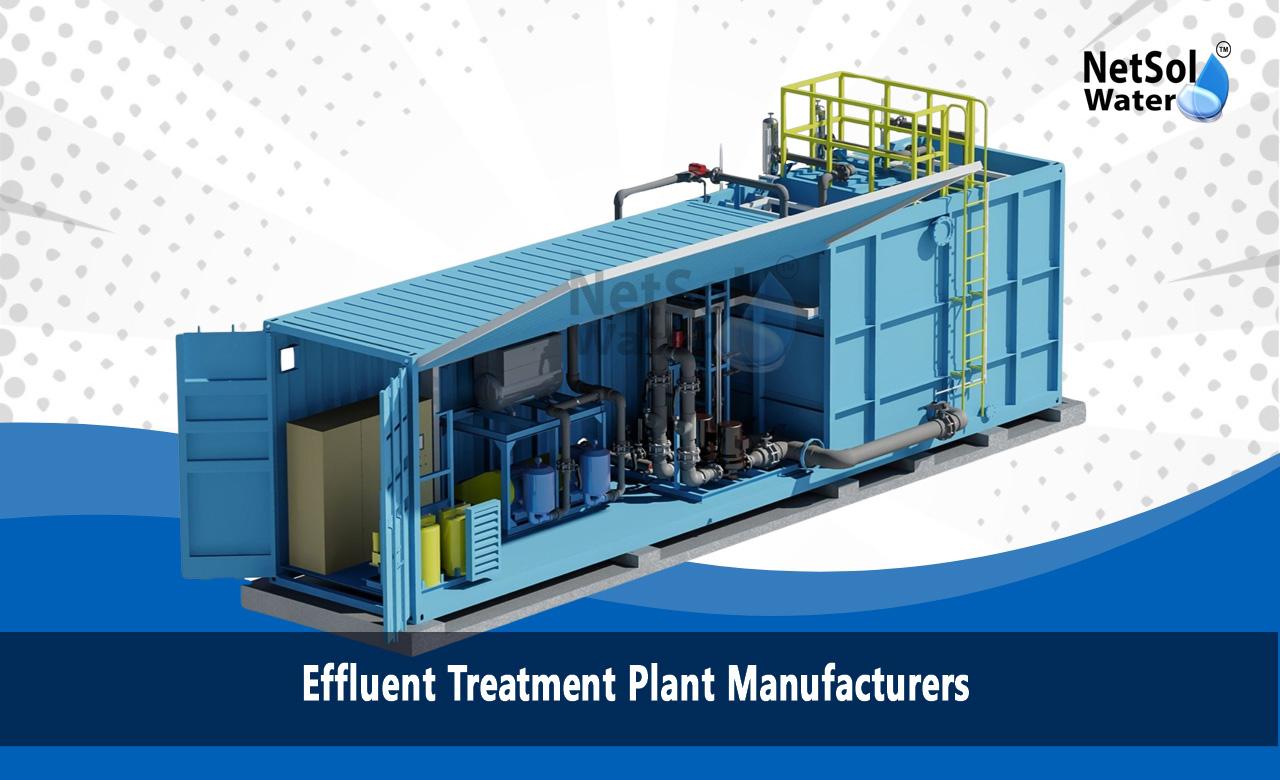
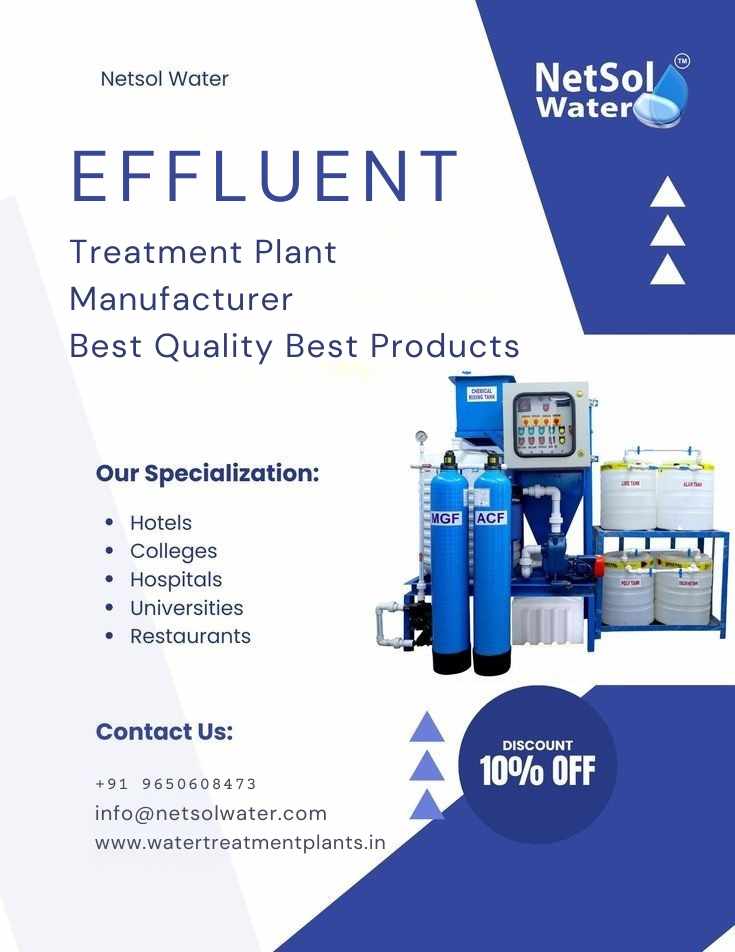
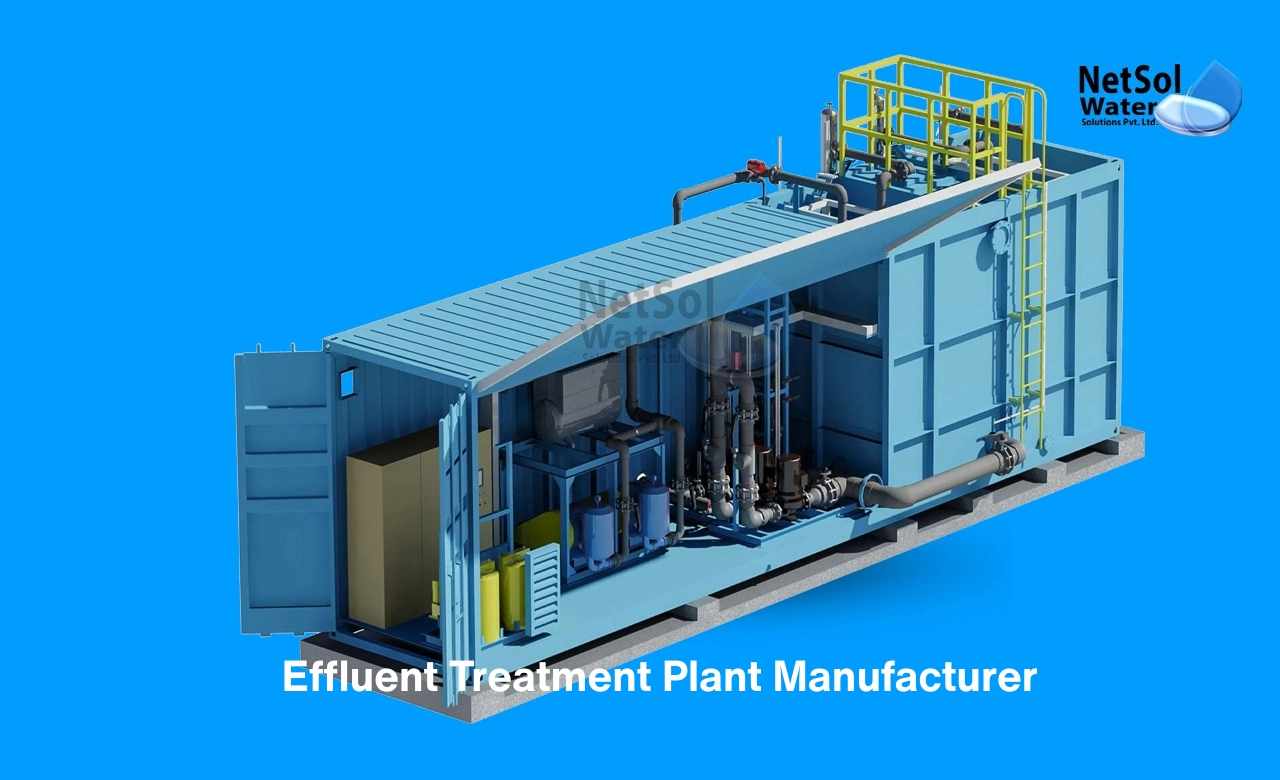
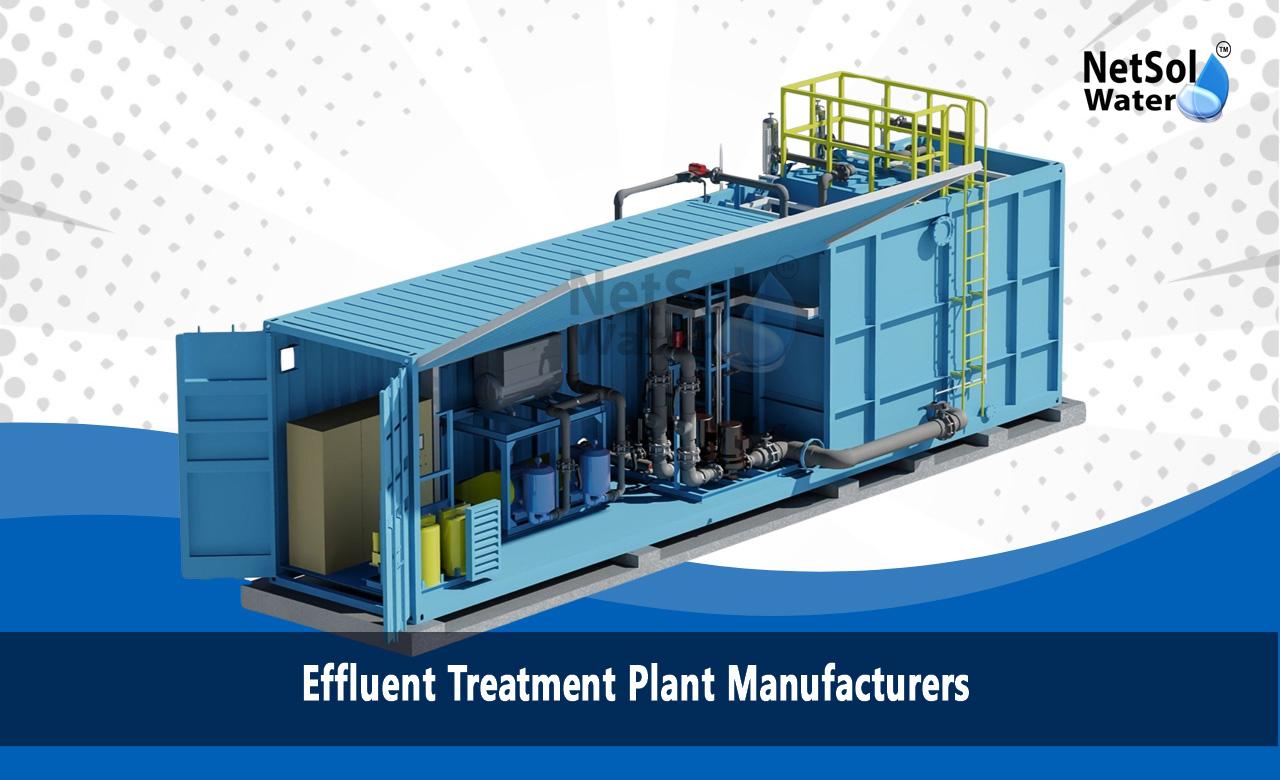
To explore advanced wastewater treatment solutions and sustainable practices, learn more about effluent treatment plant manufacturers and their role in delivering efficient, eco-friendly wastewater management systems.


Write a comment ...