
Water is a vital resource for industrial operations, and the demand for high-quality treated water continues to grow across sectors such as manufacturing, pharmaceuticals, food and beverage, power generation, textiles, electronics, and chemical processing. As industries face increasing pressure to meet quality standards, reduce water consumption, and comply with environmental regulations, Industrial Reverse Osmosis (RO) plants have become an essential part of modern water treatment strategies. Insights from leading Industrial RO Plant Manufacturers provide valuable understanding of how these systems function and why they are critical for sustainable industrial growth.
What Is an Industrial RO Plant?
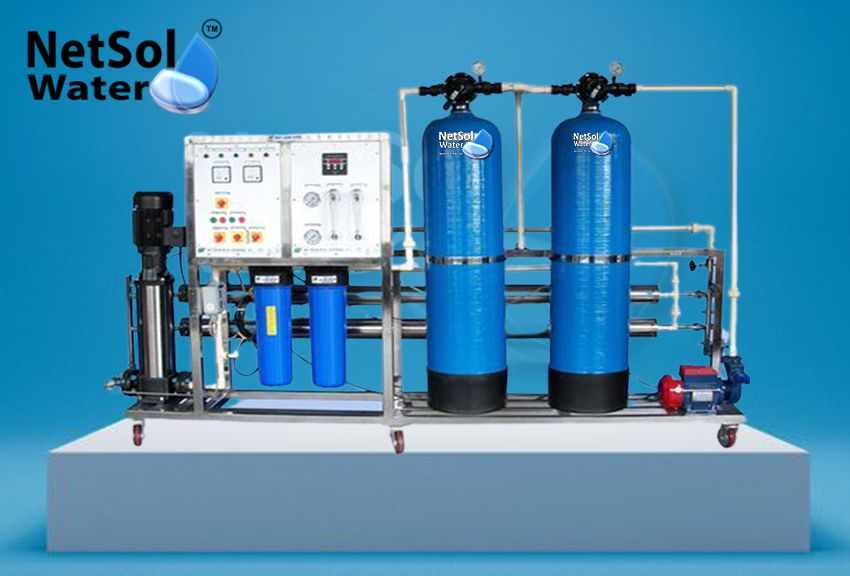
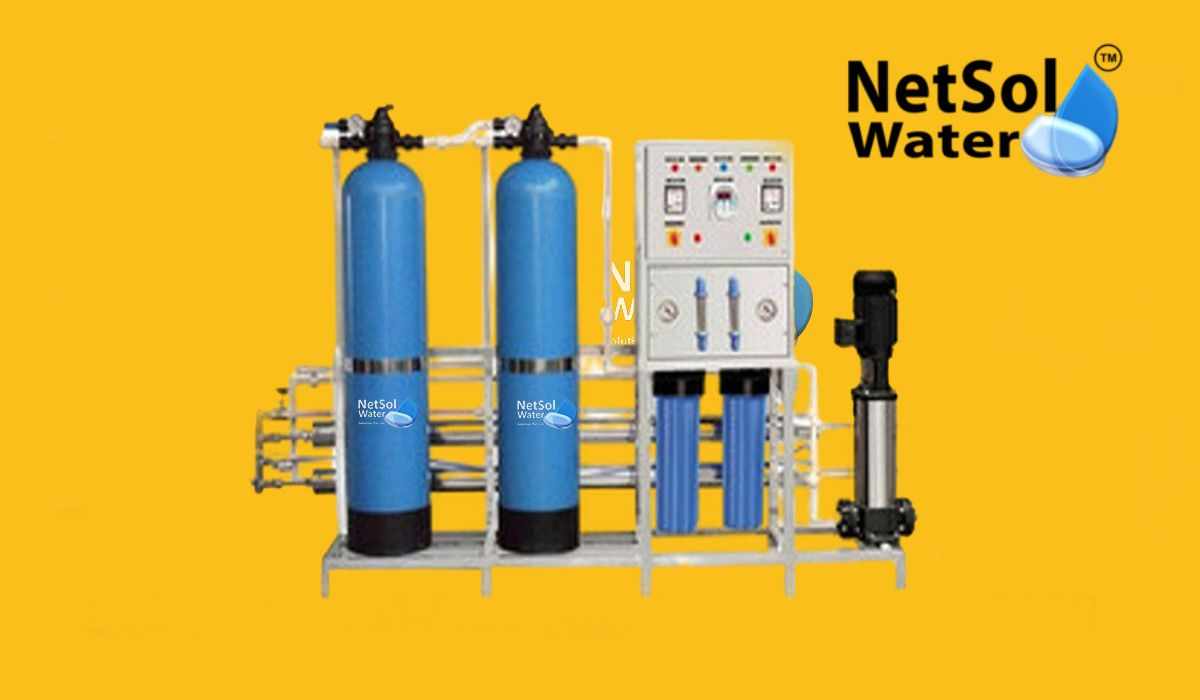
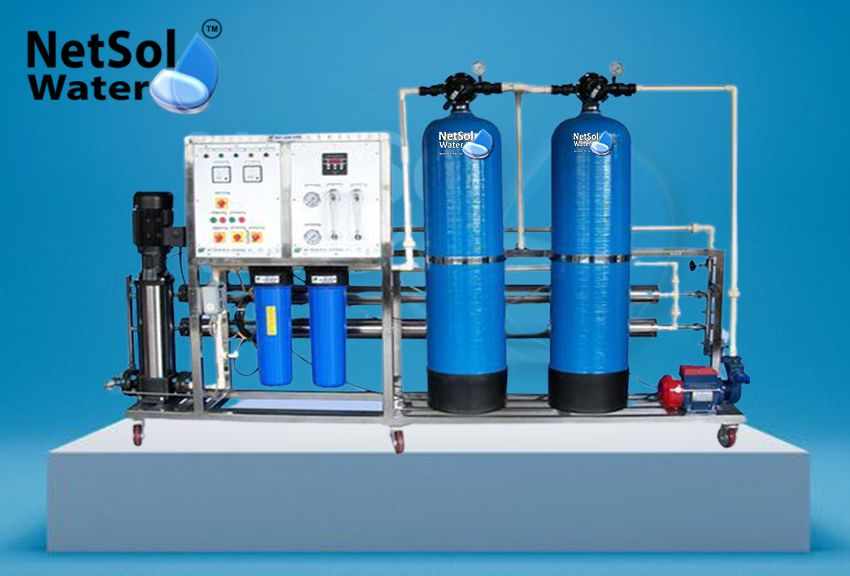
An industrial RO plant is an advanced water purification system that uses reverse osmosis membrane technology to remove dissolved salts, heavy metals, chemicals, microorganisms, and other impurities from water. Unlike domestic or commercial RO systems, industrial RO plants are designed to operate continuously at high capacities and under challenging water conditions.
According to experienced Industrial RO Plant Manufacturers, these systems are used to treat a wide variety of water sources, including groundwater, surface water, municipal supply, and industrial wastewater. The versatility of industrial RO plants makes them suitable for both freshwater treatment and water reuse applications.
How Industrial RO Plants Work
Leading Industrial RO Plant Manufacturers emphasize that efficient performance depends on a multi-stage treatment process designed to protect membranes and ensure consistent output water quality.
1. Pre-Treatment Process
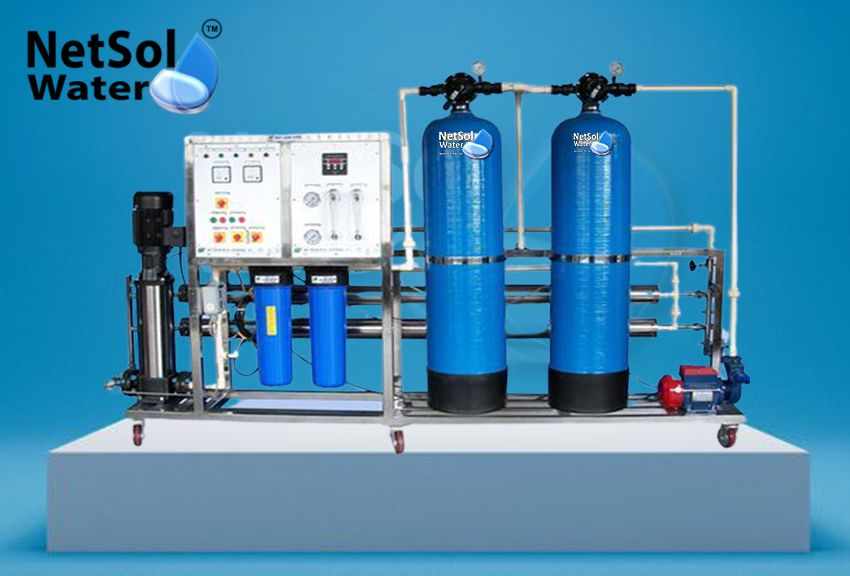
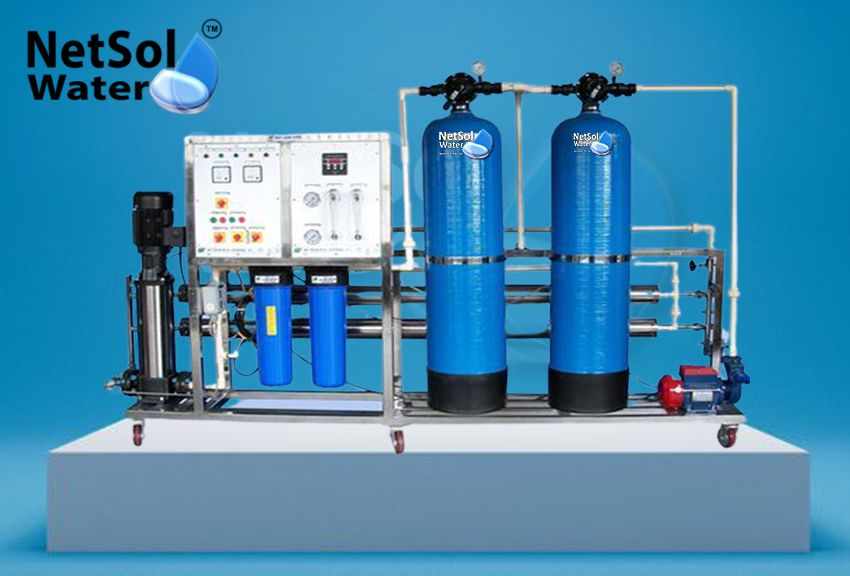
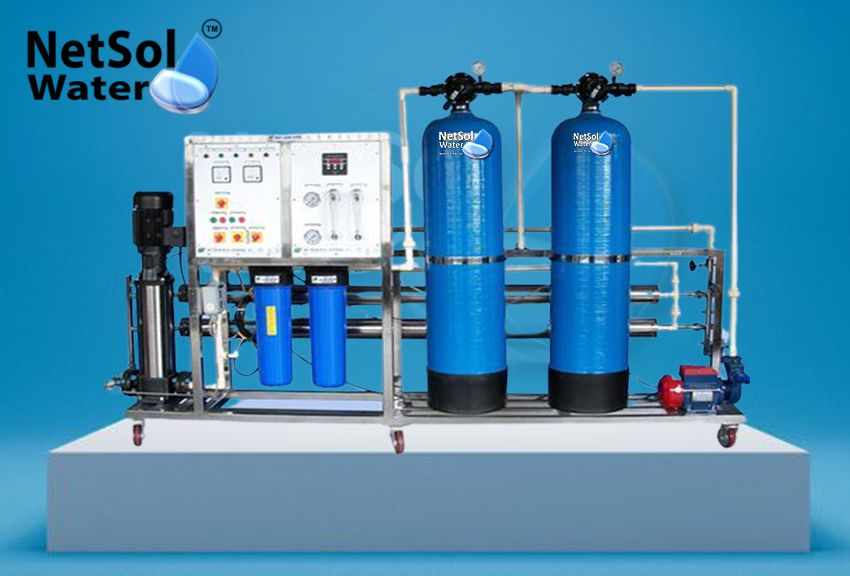
Pre-treatment is one of the most critical stages. Raw water is passed through multi-grade sand filters, activated carbon filters, and water softeners to remove suspended solids, organic matter, chlorine, and hardness. Proper pre-treatment prevents fouling and scaling of RO membranes, significantly extending their lifespan.
2. Reverse Osmosis Filtration
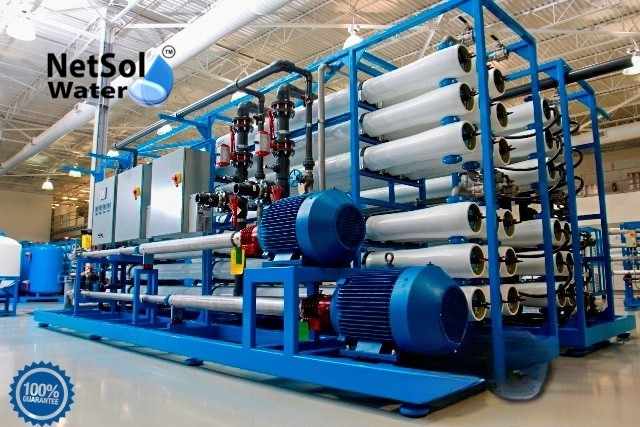
After pre-treatment, high-pressure pumps force water through semi-permeable RO membranes. These membranes allow purified water to pass through while rejecting dissolved salts and contaminants. Leading Industrial RO Plant Manufacturers carefully select membrane types based on feed water quality and required output standards.
3. Post-Treatment and Distribution
Depending on the application, post-treatment may include pH adjustment, UV disinfection, or polishing filters before the water is stored or distributed for industrial use.
Key Design Considerations from Manufacturers
Insights from leading Industrial RO Plant Manufacturers highlight that system design plays a major role in efficiency and cost-effectiveness. Important design factors include:
Feed water quality and total dissolved solids (TDS) levels
Required flow rate and daily water demand
Target water quality for specific industrial applications
Recovery rate and reject management
Customized system design ensures optimal water recovery, lower operating costs, and minimal environmental impact.
Importance of Automation and Energy Efficiency
Modern industrial RO plants are increasingly automated. Leading Industrial RO Plant Manufacturers integrate PLC-based control panels, sensors, and monitoring systems that track pressure, flow, conductivity, and system performance in real time. Automation offers several advantages:
Consistent water quality output
Reduced manual intervention and operational errors
Early detection of system issues
Improved energy and water efficiency
Energy-efficient pumps and low-energy membranes further reduce power consumption, making the system more economical and sustainable.
Sustainability and Water Conservation
Sustainability is a key focus for today’s Industrial RO Plant Manufacturers. Advanced RO plants are designed to reduce water wastage by achieving higher recovery rates. Many systems are integrated with water recycling and reuse solutions, allowing industries to reuse treated wastewater for cooling, boilers, and utility applications.
For water-intensive industries, RO plants are often part of Zero Liquid Discharge (ZLD) systems. In ZLD setups, RO plants concentrate wastewater, and the remaining reject is treated further so that no liquid waste is released into the environment. This approach helps industries meet strict environmental regulations while conserving valuable water resources.
Maintenance and Long-Term Performance
Leading manufacturers emphasize that long-term RO plant performance depends on proper operation and maintenance. A reliable Industrial RO Plant Manufacturer provides comprehensive after-sales support, including regular servicing, membrane cleaning, spare parts availability, and operator training. Preventive maintenance not only ensures consistent water quality but also reduces downtime and extends system life.
Choosing the Right Industrial RO Plant Manufacturer
Insights from industry leaders suggest that selecting the right Industrial RO Plant Manufacturer is as important as choosing the technology itself. Industries should consider factors such as manufacturer experience, technical expertise, customization capability, component quality, and service support. A trusted manufacturer acts as a long-term partner, offering solutions that adapt to changing water requirements.
Conclusion
Understanding industrial RO plants through insights from leading manufacturers helps industries make informed and future-ready decisions. Industrial RO plants are more than just water purification systems—they are strategic assets that support operational efficiency, water conservation, and environmental compliance. By partnering with an experienced Industrial RO Plant Manufacturer, industries can ensure reliable water quality, reduced operating costs, and sustainable growth in an increasingly water-conscious world.

Write a comment ...