
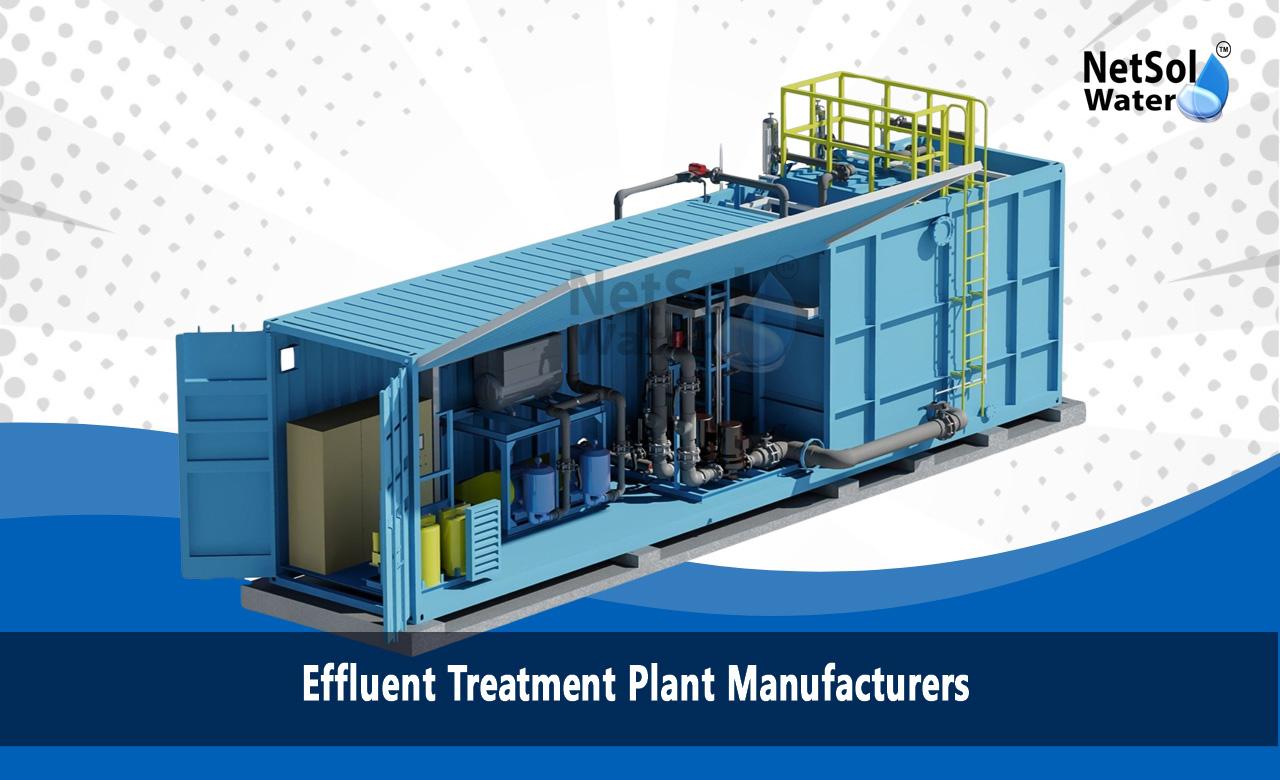
Effluent Treatment Plants (ETPs) are critical for industrial wastewater management, ensuring that companies comply with environmental regulations while maintaining efficient operations. However, not all industrial wastewater is the same. Each industry—whether textile, pharmaceutical, chemical, food & beverage, or paper manufacturing—produces effluent with unique characteristics. This is why tailored ETP solutions are essential for optimal performance.
Here’s how ETP manufacturers customize their solutions to meet the specific needs of different industries.
1. Understanding Industry-Specific Wastewater Characteristics
The first step in tailoring an ETP solution is understanding the composition of the wastewater. Different industries generate wastewater with varying levels of:
BOD (Biochemical Oxygen Demand) and COD (Chemical Oxygen Demand)
TSS (Total Suspended Solids)
Fats, oils, and grease (FOG)
Chemical residues and heavy metals
Color and dye concentrations
For example, textile industries often have high color and COD levels, while pharmaceutical wastewater may contain complex chemical compounds. Food and beverage plants produce wastewater with high organic content, sugars, and oils. By analyzing these parameters, manufacturers can design systems that target specific contaminants efficiently.
Benefit: Customized treatment ensures regulatory compliance and optimal pollutant removal.
2. Customized Treatment Processes
Once the wastewater profile is understood, ETP manufacturers select and configure the most suitable treatment processes, which can include:
Primary Treatment: Screening, grit removal, and sedimentation to remove solids.
Secondary Treatment: Biological processes such as activated sludge, moving bed biofilm reactors (MBBR), or sequencing batch reactors (SBR) for organic load reduction.
Tertiary Treatment: Advanced filtration, ultrafiltration, reverse osmosis, and advanced oxidation for removing remaining contaminants and enabling water reuse.
Tailoring the process sequence and treatment units ensures that no resources are wasted, chemicals are used efficiently, and energy consumption is minimized.
Benefit: High efficiency and cost-effective wastewater treatment.
3. Integration of Industry-Specific Technology
Different industries may require specialized technologies integrated into the ETP system:
Textile: Coagulation, flocculation, and membrane filtration to remove color and dye residues.
Pharmaceutical: Advanced oxidation processes (AOPs) for complex chemical breakdown and sterilization units for pathogen removal.
Food & Beverage: Grease traps, fat removal units, and anaerobic digesters for high-strength organic waste.
Chemical: Neutralization tanks, heavy metal precipitation, and corrosion-resistant tanks.
By integrating the right technology, manufacturers ensure that the treatment process addresses industry-specific challenges effectively.
Benefit: Consistent effluent quality and reduced risk of regulatory violations.
4. Scalability and Future-Ready Design
Industrial operations can grow over time, and wastewater volumes may increase. Leading ETP manufacturers design systems that are scalable, allowing for future expansion without major modifications. They also account for potential changes in wastewater composition, ensuring the system remains efficient as operations evolve.
Benefit: Long-term reliability and adaptability, protecting the investment.
5. Automation and Smart Monitoring
Modern tailored ETPs often incorporate automation and real-time monitoring, which is customized for the specific industry’s operational needs. Sensors track parameters like pH, turbidity, COD, and flow rate. Automated control systems adjust aeration, chemical dosing, and filtration in real time.
Benefit: Optimized treatment, reduced human error, and lower operational costs.
6. Sustainable Practices
Many industries are now focused on sustainability and water reuse. Specialized ETP manufacturers design systems that:
Enable water recycling and reuse in plant operations.
Minimize chemical and energy consumption.
Include zero liquid discharge (ZLD) systems where needed.
Tailored sustainability solutions reduce environmental impact and improve corporate social responsibility (CSR) credentials.
Benefit: Reduced water and energy costs while promoting environmental stewardship.
Conclusion
Industries face unique wastewater challenges that cannot be solved with generic solutions. By analyzing wastewater characteristics, integrating industry-specific technologies, optimizing processes, and incorporating sustainability, ETP manufacturers create systems tailored to the specific needs of each sector.
Partnering with a reliable, specialized Effluent Treatment Plant Manufacturer ensures efficient treatment, regulatory compliance, cost savings, and long-term sustainability. Tailored solutions are not just a technical necessity—they are a strategic investment in the future of industrial operations and environmental responsibility.
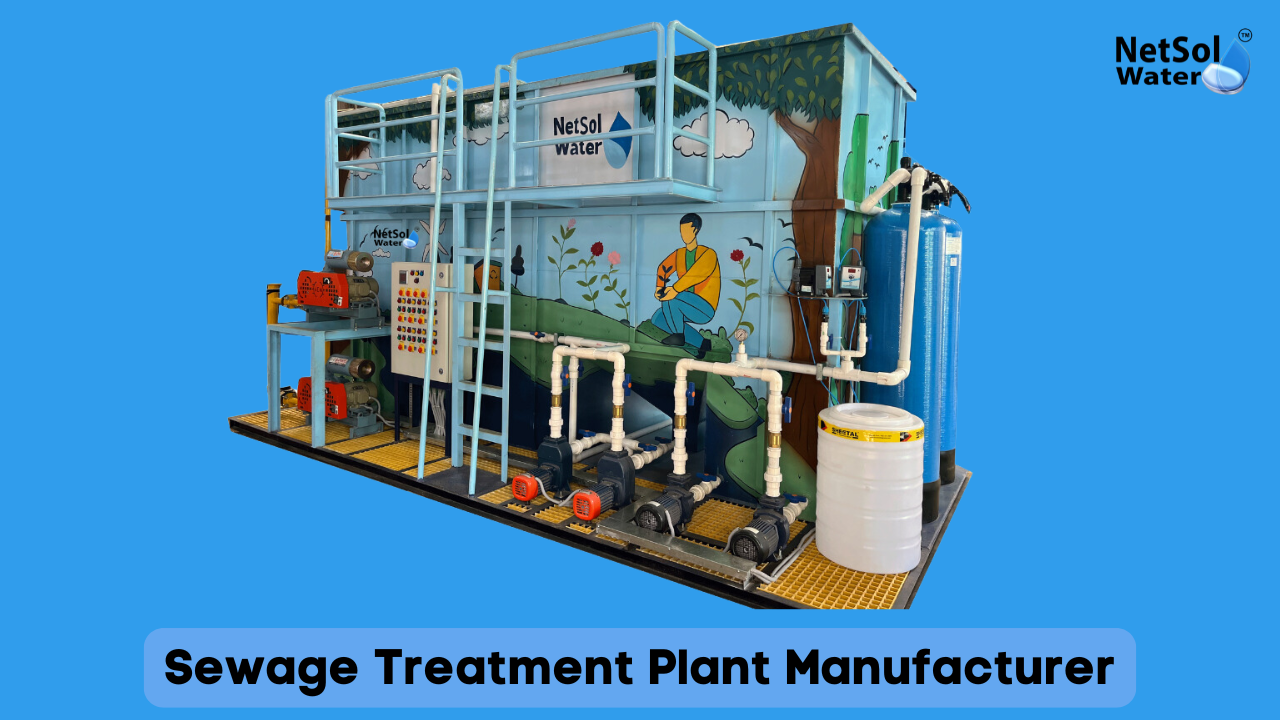
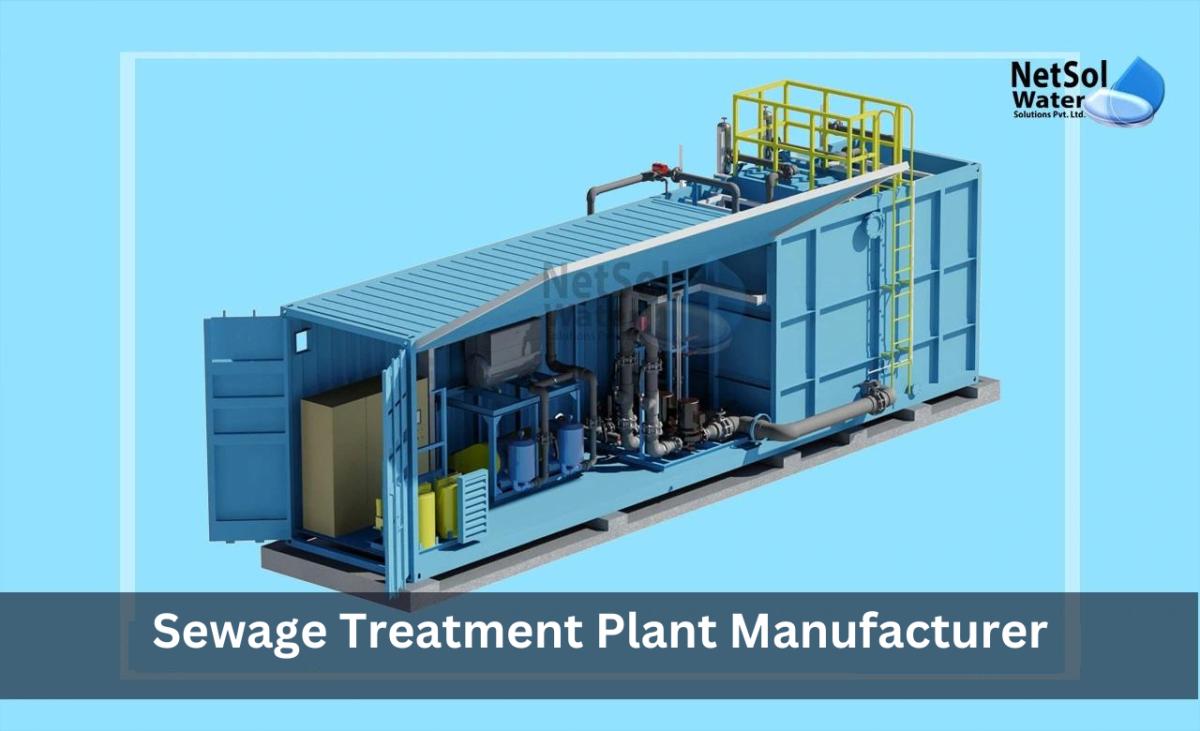
Learn about Sewage Treatment Plant Manufacturer

Write a comment ...