
Water purification is a vital process across multiple sectors, but the requirements for industrial and commercial Reverse Osmosis (RO) plants differ significantly. From power plants and pharmaceuticals to hotels and hospitals, RO technology ensures reliable, safe, and high-quality water. However, the scale, design, and operational considerations vary based on the application. Understanding these differences is essential when choosing an RO system and the right manufacturer.
From a manufacturer’s perspective, there are key distinctions and considerations for industrial versus commercial RO plants, which influence design, performance, and cost.
1. Scale and Capacity
Industrial RO Plants:
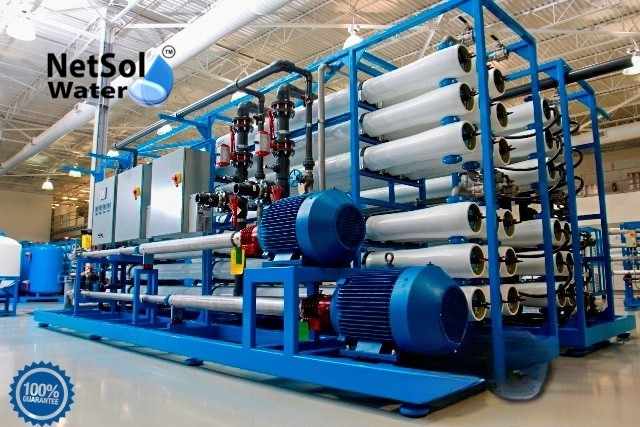
Industrial RO plants are designed for large-scale operations that require thousands of liters of purified water per hour. Industries like textiles, chemicals, pharmaceuticals, and power plants need continuous, high-volume water supply to sustain production processes. These systems often feature multi-stage RO units with multiple high-pressure pumps, extensive pre-treatment, and high recovery rates.
Commercial RO Plants:
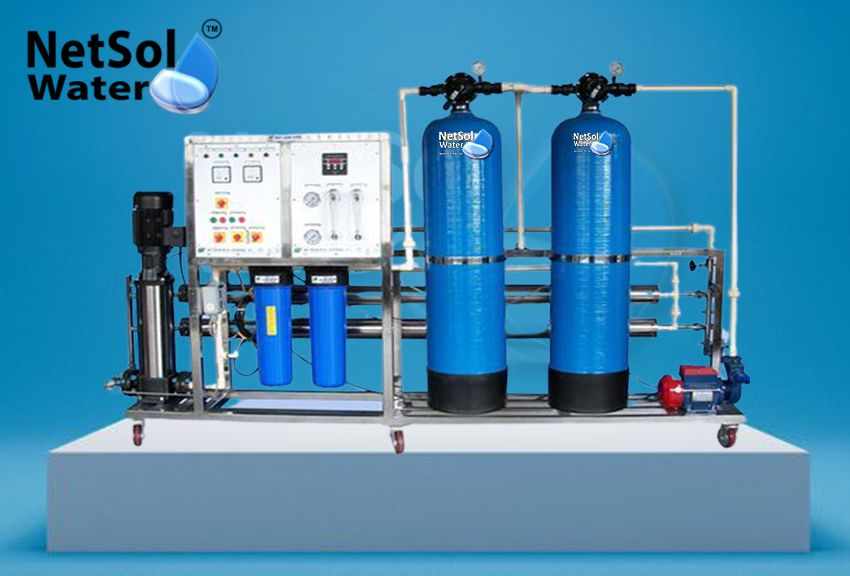
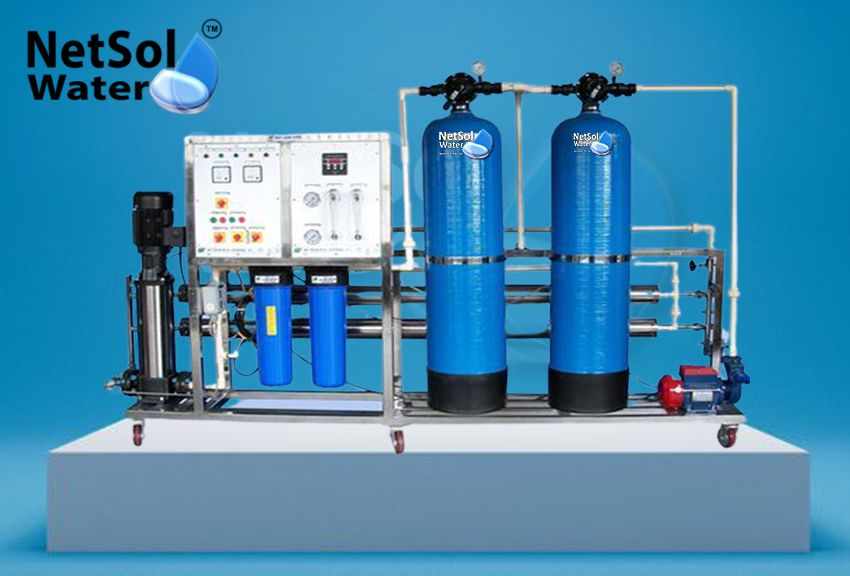
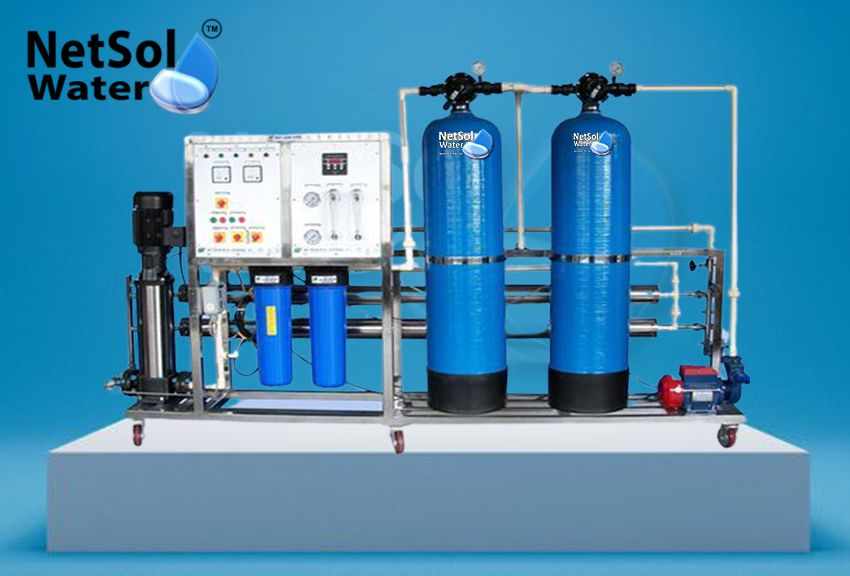
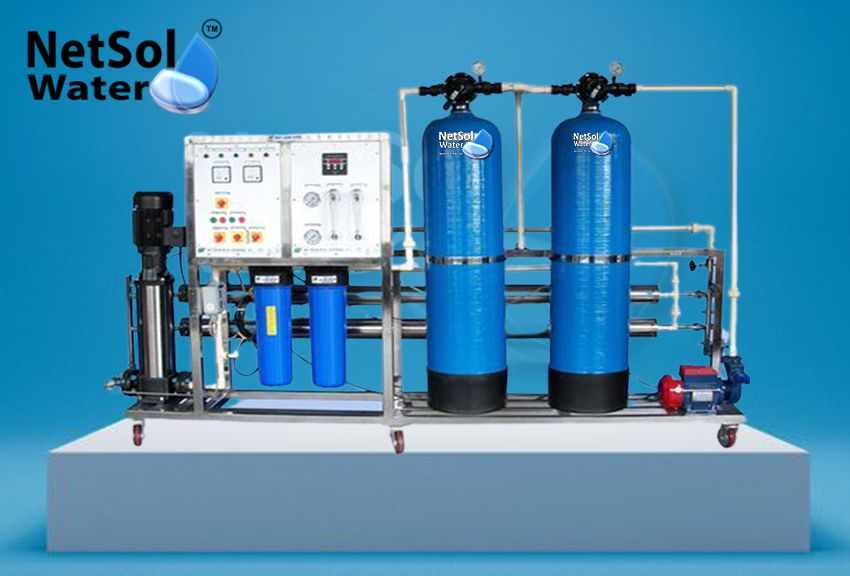
Commercial RO systems are smaller in scale, designed for medium to low water demand, such as offices, hotels, restaurants, schools, and hospitals. These plants typically process a few hundred to a few thousand liters per day, focusing on consistent water quality for drinking, cooking, or general facility use.
Manufacturers emphasize that capacity planning is critical to ensure the plant meets current needs while allowing for future expansion.
2. Water Quality Requirements
Industrial RO Plants:
Water purity standards for industrial applications vary depending on the process. For example:
Pharmaceutical and laboratory water requires ultrapure quality with very low microbial content.
Boiler feed water in power plants needs extremely low TDS and silica to prevent scaling.
Textile and chemical industries require water with controlled hardness and specific ion concentrations to maintain product quality.
Commercial RO Plants:
For commercial use, water primarily needs to meet drinking water standards and be free from odor, color, and harmful chemicals. While quality is important, commercial systems typically do not require the same level of ultrapure water as industrial processes.
Manufacturers highlight that water quality specifications drive membrane selection, pre-treatment, and overall design.
3. Pre-Treatment and Complexity
Industrial RO Plants:
Industrial systems often face challenging feed water with high TDS, hardness, or industrial contaminants. Advanced pre-treatment is essential to prevent membrane fouling and scaling. Pre-treatment may include multimedia filtration, activated carbon, softeners, antiscalants, and ultrafiltration (UF) depending on water characteristics.
Commercial RO Plants:
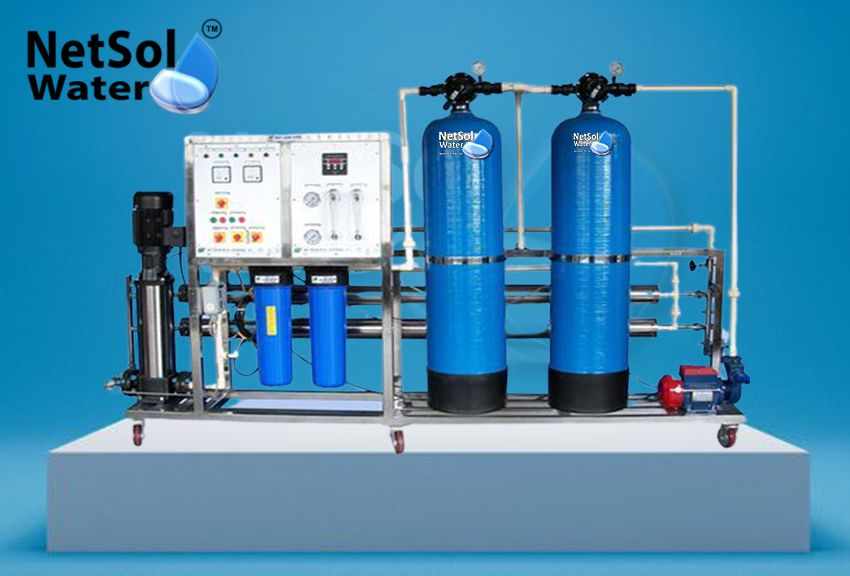
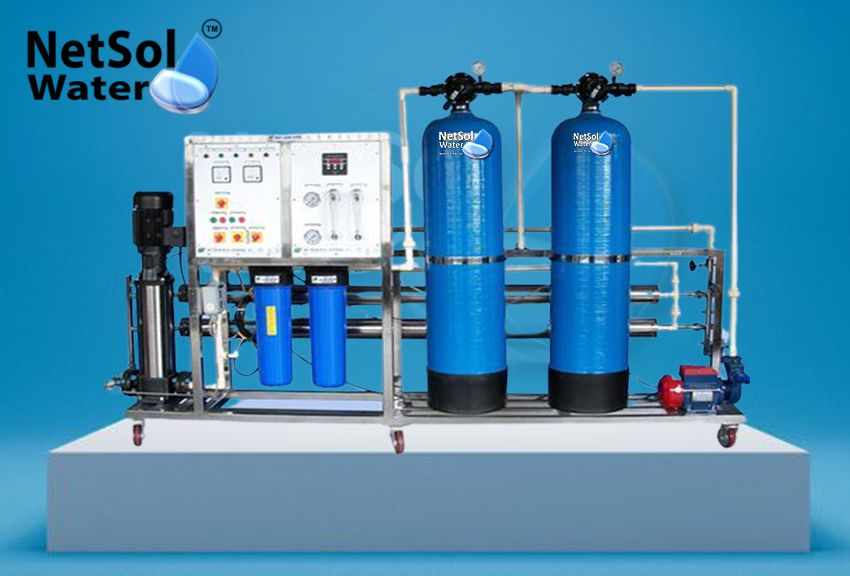
Commercial systems usually operate with municipal or moderately clean water sources. Pre-treatment is simpler, often involving sediment filters, carbon filters, and softeners for specific needs. The goal is to protect membranes while keeping the system easy to operate and maintain.
4. Automation and Monitoring
Industrial RO Plants:
Large-scale industrial RO plants often require PLC or SCADA-based automation for real-time monitoring of pressure, flow, conductivity, and alarms. Automation ensures consistent performance, prevents downtime, and supports predictive maintenance.
Commercial RO Plants:
Commercial RO systems are usually semi-automated, designed for ease of operation with minimal manual intervention. Monitoring focuses on flow, pressure, and basic water quality parameters, ensuring reliability without the complexity of industrial systems.
5. Cost Considerations
Industrial RO Plants:
Industrial RO plants involve higher initial investment due to larger capacity, advanced components, automation, and complex pre-treatment. However, manufacturers focus on total lifecycle cost, designing systems to reduce energy consumption, maintenance, and membrane replacement over time.
Commercial RO Plants:
Commercial systems have lower upfront costs and simpler maintenance requirements. Manufacturers prioritize affordability, ease of installation, and operational simplicity while ensuring reliable water quality for day-to-day use.
6. Maintenance and Service
Industrial RO Plants:
Large-scale systems require professional maintenance and trained operators. Manufacturers often provide comprehensive service contracts, preventive maintenance, and replacement schedules to maintain efficiency and prolong equipment life.
Commercial RO Plants:
Commercial RO plants are designed for minimal maintenance and can often be managed with basic operator training. Manufacturers offer user-friendly designs and support for occasional filter and membrane replacement.
Conclusion
Industrial and commercial RO plants serve different purposes, and understanding these differences is essential when selecting a system and manufacturer. Industrial plants prioritize high capacity, advanced pre-treatment, automation, and compliance with strict water quality standards, while commercial systems focus on moderate capacity, ease of use, and consistent drinking water quality.
The same engineering expertise and commitment to quality that industrial RO manufacturers provide also define a trusted Commercial RO Plant Manufacturer, delivering efficient, reliable, and high-quality water solutions for hotels, hospitals, educational institutions, offices, and other commercial establishments.

Write a comment ...