
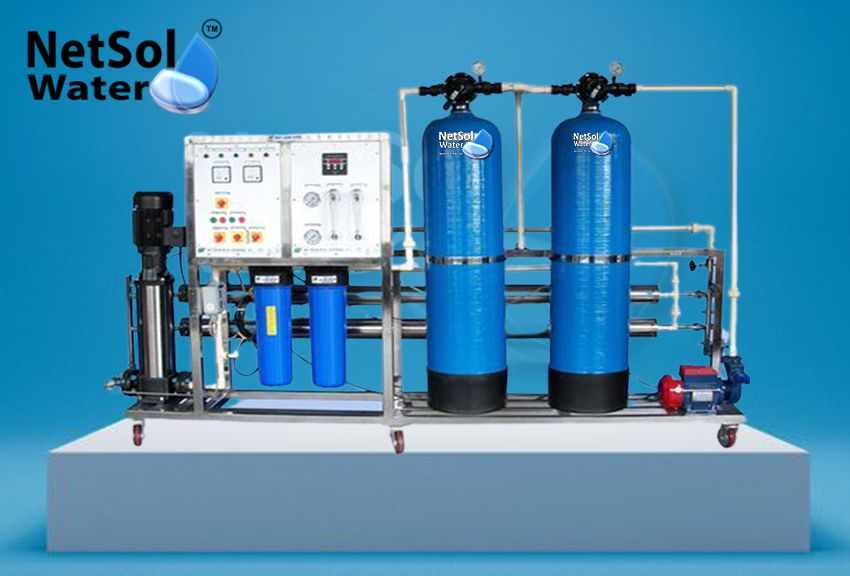
Industrial RO plant manufacturing has reached a defining moment in 2026. As industries face increasing water scarcity, tighter environmental regulations, and mounting pressure to control operational costs, expectations from water treatment systems have fundamentally changed. Today, an industrial RO plant is not just a utility system; it is a strategic asset that directly impacts productivity, sustainability, and long-term business continuity. The 2026 standard for industrial RO plant manufacturing reflects this shift, setting new benchmarks for performance, intelligence, and efficiency.
Intelligent System Design as a Baseline
In 2026, intelligence is no longer an added feature—it is a standard requirement. Modern industrial RO plants are built with integrated automation, advanced sensors, and real-time monitoring capabilities. Parameters such as flow rate, pressure, conductivity, temperature, and membrane performance are continuously tracked to ensure optimal operation.
Smart control systems enable predictive maintenance, identifying performance deviations before they lead to failures. This proactive approach minimizes downtime, reduces maintenance costs, and ensures consistent water quality for critical industrial processes.
Energy Efficiency and Optimized Performance
Energy consumption remains one of the largest operating costs for industrial RO systems. The 2026 manufacturing standard places strong emphasis on energy-efficient components and optimized system design. High-efficiency pumps, low-energy membranes, and advanced hydraulic layouts are now essential elements of every industrial RO plant.
By operating at lower pressures and achieving higher recovery rates, these systems significantly reduce electricity usage. Improved pre-treatment technologies also play a key role by protecting membranes from fouling and scaling, extending membrane life and lowering replacement expenses.
Higher Water Recovery and Reduced Waste
Water efficiency is at the core of industrial RO plant manufacturing in 2026. Systems are engineered to maximize water recovery while minimizing reject and wastewater discharge. Multi-stage RO designs and advanced membrane configurations allow industries to extract more usable water from the same feed source.
Many plants are designed for seamless integration with wastewater recycling and Zero Liquid Discharge (ZLD) systems. This approach helps industries reduce freshwater consumption, meet environmental regulations, and improve overall water sustainability.
Customization and Scalability
The one-size-fits-all approach is no longer acceptable. The 2026 standard demands customized RO solutions tailored to specific industries, feed water conditions, and process requirements. Whether serving pharmaceuticals, food and beverage, power generation, chemicals, or manufacturing units, RO plants must be precisely engineered for their intended application.
Scalable and modular designs are now standard practice, allowing industries to expand capacity without major system overhauls. This flexibility supports long-term growth while protecting initial investments.
Advanced Automation and Digital Integration
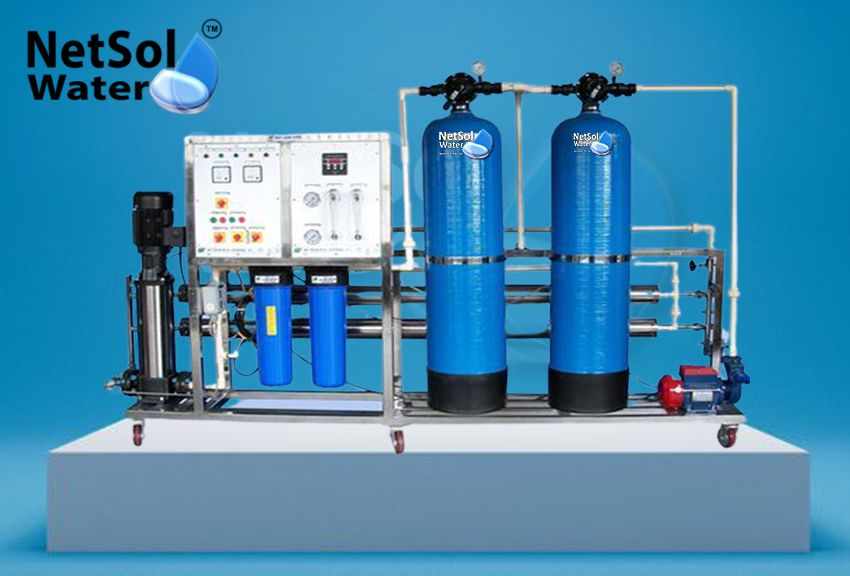
Automation has become a defining feature of modern industrial RO plants. PLC- and SCADA-based control systems enable fully automated operation with minimal human intervention. Remote monitoring and cloud-based platforms provide real-time access to system performance data, enabling faster decision-making and improved operational control.
Digital data logging and automated reporting also support regulatory compliance, quality assurance, and audit readiness. These capabilities reduce administrative effort while enhancing transparency and accountability.
Compliance, Quality, and Reliability
Regulatory compliance is more demanding than ever in 2026. Industrial RO plants are manufactured to meet stringent water quality standards and environmental regulations. High-quality materials, robust construction, and strict quality control processes ensure long-term reliability and consistent performance.
Manufacturers now provide comprehensive documentation, validation support, and testing protocols as part of the standard offering, helping industries maintain compliance throughout the system’s lifecycle.
Lifecycle Support and Long-Term Value
The 2026 standard extends beyond equipment delivery. Industrial RO plant manufacturers are expected to offer complete lifecycle support, including installation, commissioning, operator training, maintenance services, and system upgrades. This partnership-driven approach ensures optimal performance and maximizes return on investment.
Conclusion
The 2026 standard for industrial RO plant manufacturing is defined by intelligence, efficiency, sustainability, and reliability. Smarter systems, lower operating costs, and higher water recovery are no longer competitive advantages—they are expectations.
Industries that invest in next-generation industrial RO plants gain greater operational resilience, improved cost control, and stronger environmental performance. In a world where water is a critical resource, meeting the 2026 standard is essential for sustainable industrial success.

Write a comment ...