
The food and beverage industry is one of the most water-intensive sectors, generating significant volumes of wastewater during production, cleaning, and processing activities. This wastewater contains high levels of organic matter, fats, oils, sugars, and suspended solids, making it potentially harmful to the environment if discharged untreated. With increasing regulatory pressure and stricter environmental norms, environmental compliance has become a critical priority for food and beverage companies. Efficient wastewater management through Effluent Treatment Plant (ETP) solutions is the key to achieving compliance while maintaining sustainable operations.
Understanding Regulatory Challenges in the Food & Beverage Sector
Food and beverage wastewater is subject to strict regulations due to its high BOD, COD, FOG, and total suspended solids (TSS) content. Regulatory bodies often mandate limits on:
BOD and COD levels: High organic content can deplete oxygen in rivers and lakes.
Fats, Oils, and Grease (FOG): Excessive FOG can block sewer systems and affect water quality.
Total Dissolved Solids (TDS) and pH levels: Variations can harm aquatic ecosystems and affect soil quality.
Temperature and color of discharged water: High temperatures and discoloration can disrupt natural habitats.
Non-compliance can result in penalties, production stoppages, or reputational damage. Therefore, food and beverage manufacturers require specialized ETP solutions that address these challenges efficiently.
How ETP Solutions Help Achieve Compliance
Customized Wastewater Treatment Systems
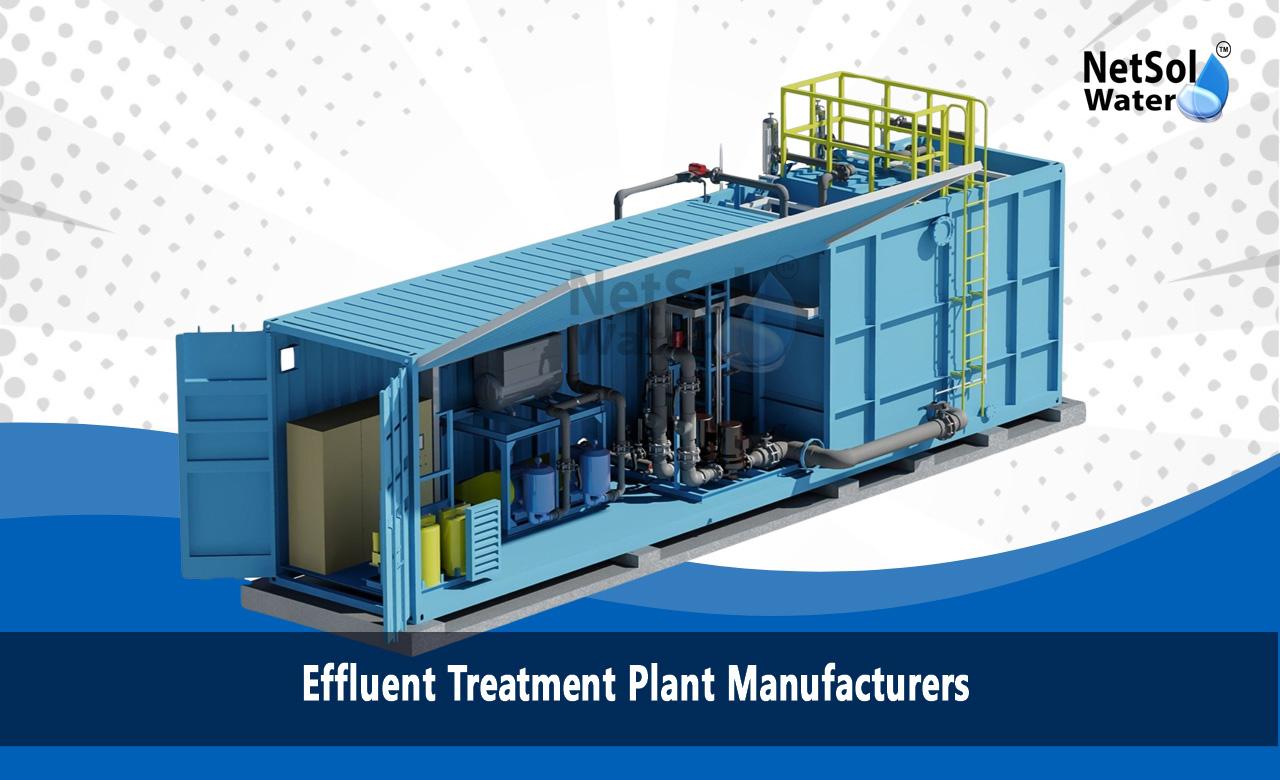
Each food and beverage facility has unique wastewater characteristics depending on the type of product, production volume, and cleaning processes. ETP manufacturers design customized treatment plants that include:
Primary Treatment: Screening, sedimentation, and oil-water separation remove solids and FOG.
Secondary Biological Treatment: MBBR, activated sludge, or MBR systems reduce BOD and COD effectively.
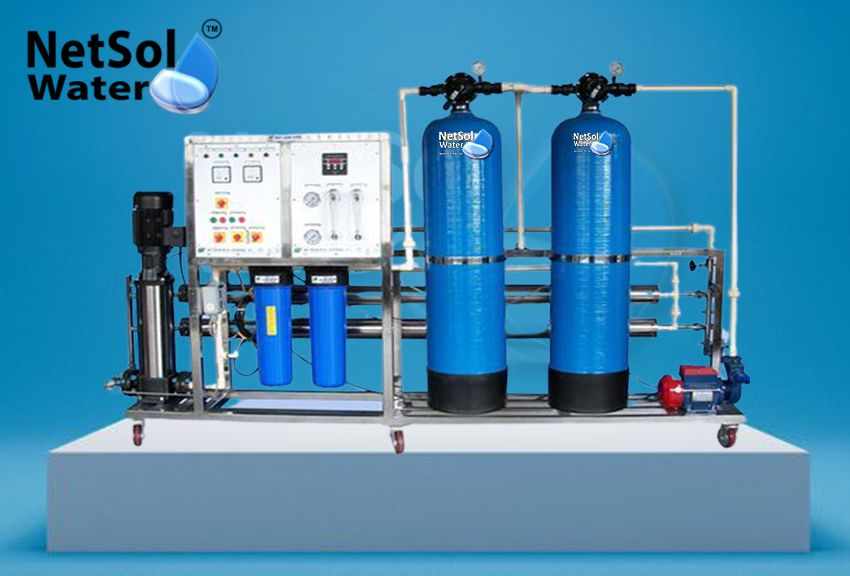
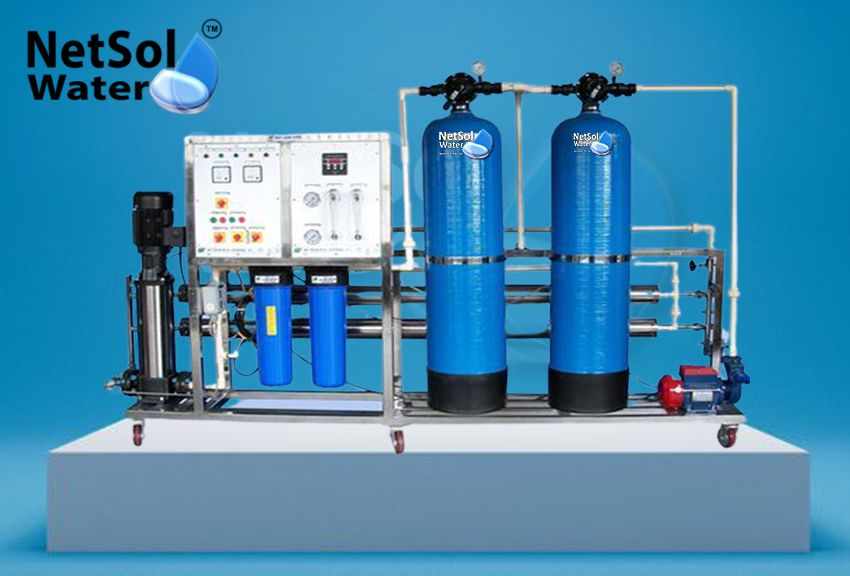
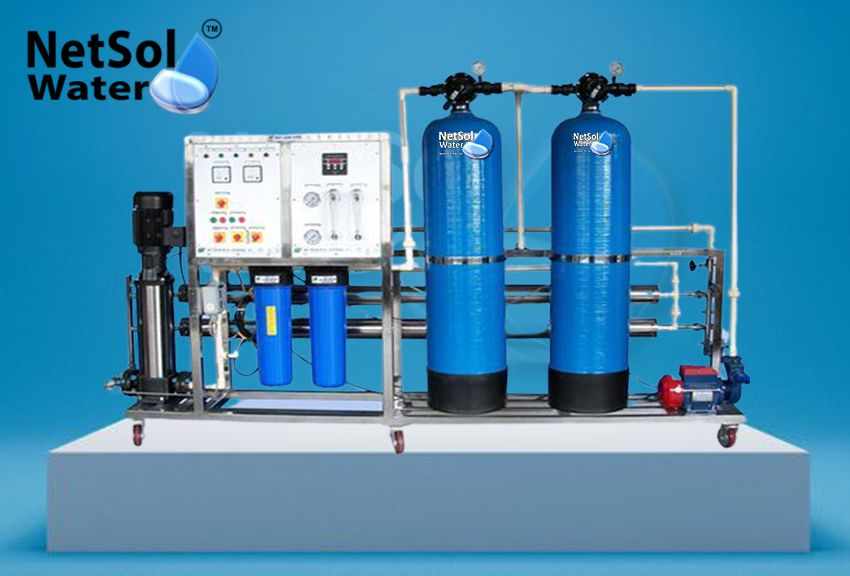
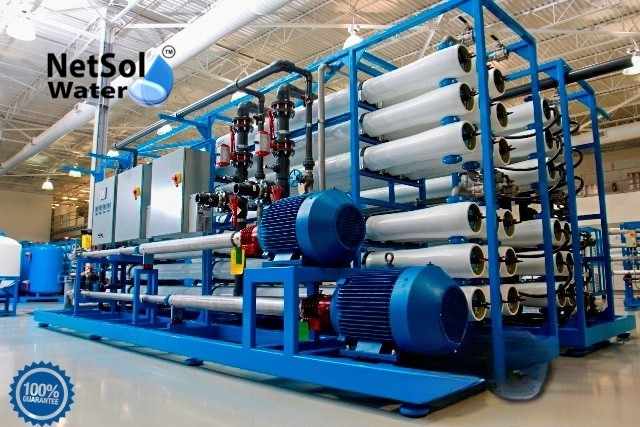
Tertiary/Advanced Treatment: Filtration, ultrafiltration (UF), reverse osmosis (RO), and disinfection ensure treated water meets regulatory standards.
Customized solutions allow companies to maintain consistent effluent quality despite fluctuating production loads.
Real-Time Monitoring and Automation
Modern ETP systems are equipped with automated monitoring and control mechanisms. Sensors track key parameters such as BOD, COD, TDS, pH, and FOG in real-time, enabling plant operators to:
Detect deviations early
Adjust chemical dosing and process parameters
Ensure treated water consistently meets regulatory standards
This level of control is crucial for facilities handling variable wastewater streams.
Zero Liquid Discharge (ZLD) for Maximum Compliance
Some food and beverage plants face stringent restrictions on wastewater discharge. ZLD systems recover almost all water from effluent, leaving behind solid residues. Implementing ZLD helps:
Achieve full regulatory compliance
Minimize freshwater consumption
Reduce environmental impact
Efficient Sludge and Waste Management
Proper disposal of sludge generated during wastewater treatment is essential for compliance. ETP manufacturers design systems to reduce sludge volume, stabilize it biologically or chemically, and facilitate safe disposal or reuse, aligning with environmental regulations.Supporting Sustainability and Corporate Responsibility
Beyond legal compliance, regulators and consumers increasingly expect food and beverage companies to adopt sustainable practices. Implementing efficient ETP solutions demonstrates environmental responsibility, reduces ecological footprint, and enhances brand reputation.Expert Guidance and After-Sales Support
ETP manufacturers provide training, routine maintenance, and troubleshooting support, ensuring that plants operate efficiently and maintain compliance over the long term. Experienced guidance helps prevent violations and ensures consistent plant performance.
Practical Benefits of ETP Solutions for Compliance
Avoid penalties and regulatory actions
Reduce environmental risks from untreated wastewater
Improve operational efficiency and water reuse
Support sustainability goals and brand image
Conclusion
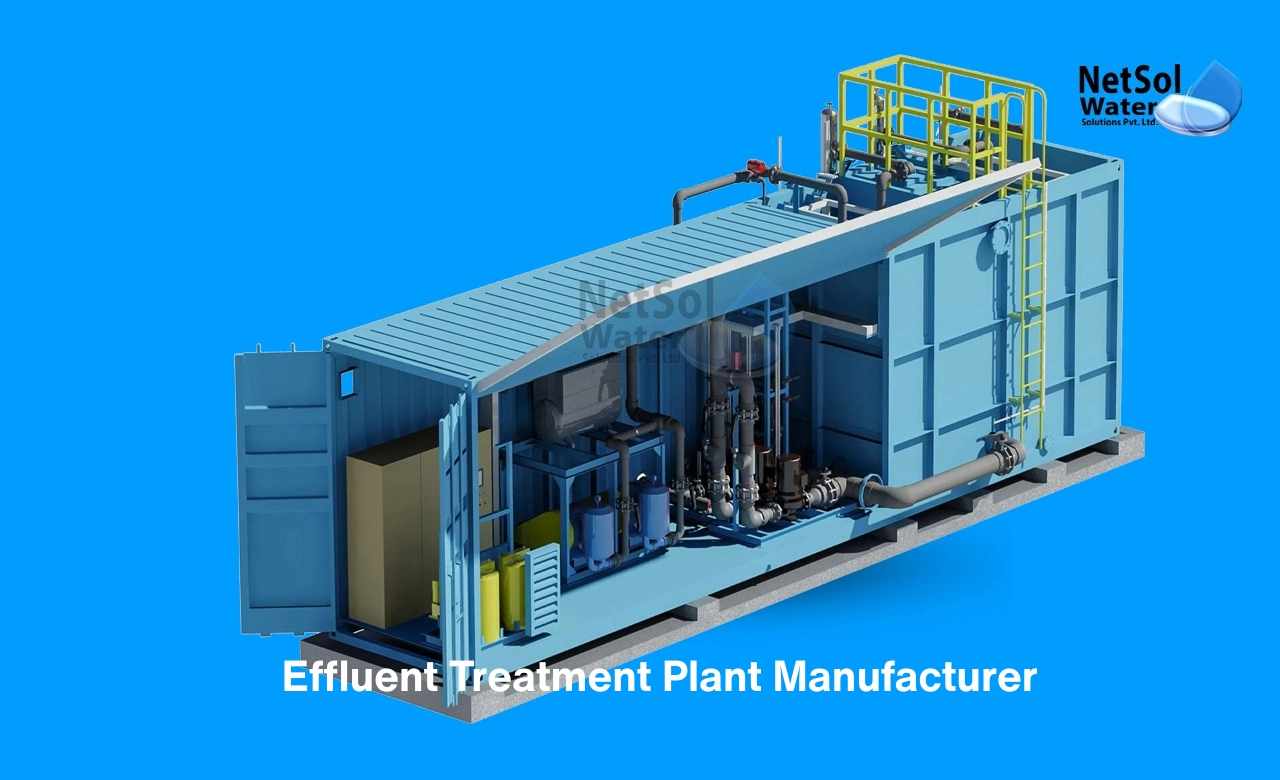
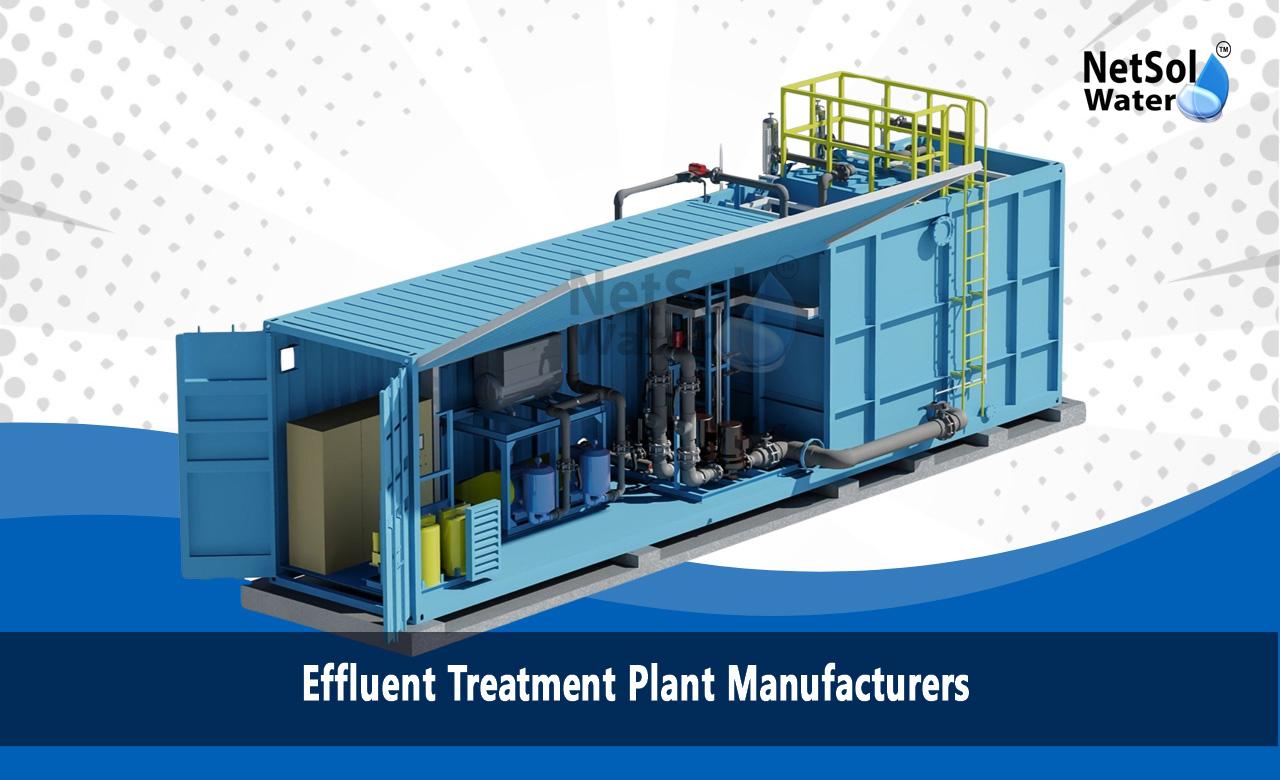
Ensuring environmental compliance in the food and beverage industry requires more than just meeting minimum discharge standards. Specialized Effluent Treatment Plant solutions provide customized treatment, real-time monitoring, water recovery, and sludge management to help companies comply consistently with regulations. By partnering with an expert Effluent Treatment Plant manufacturer, food and beverage facilities can safeguard the environment, reduce operational costs, and promote sustainable manufacturing practices.
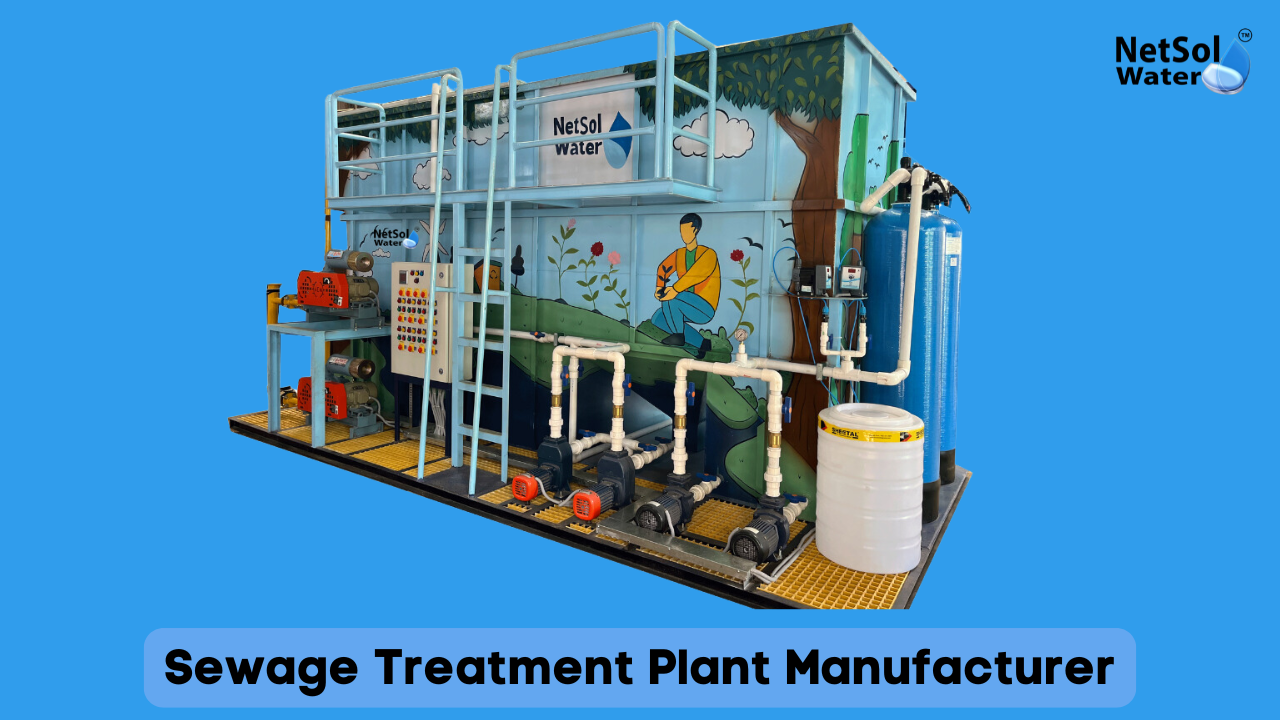
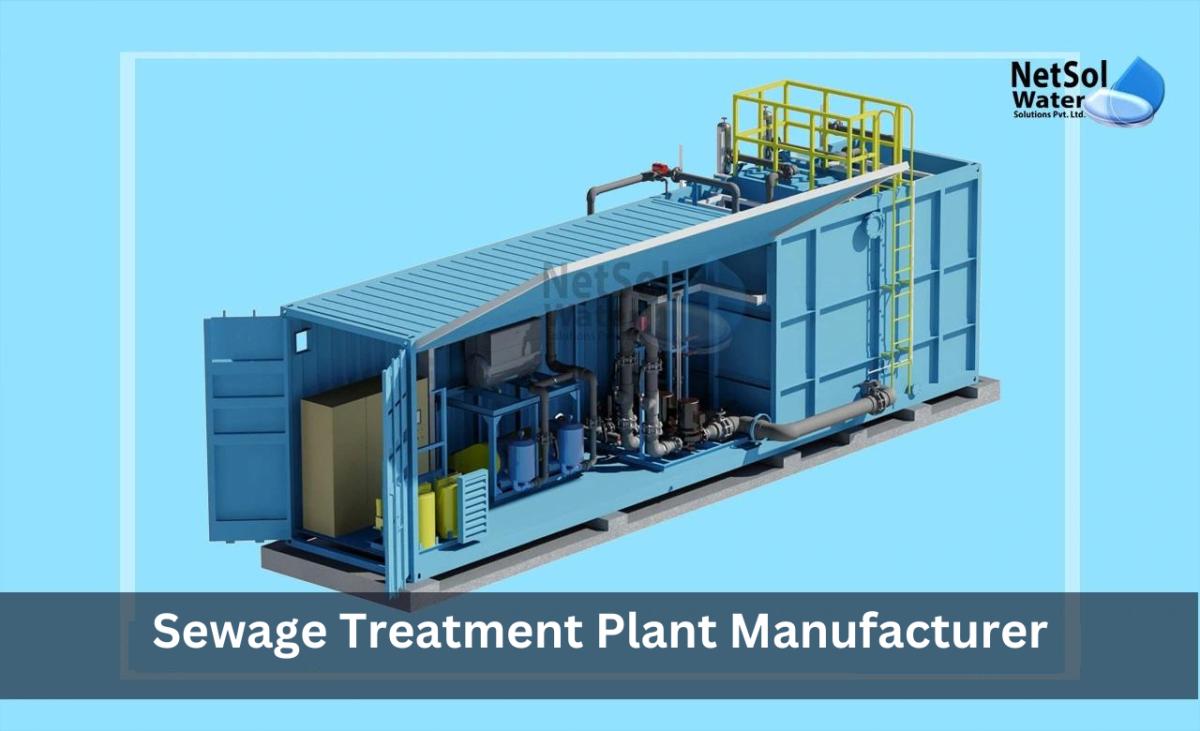
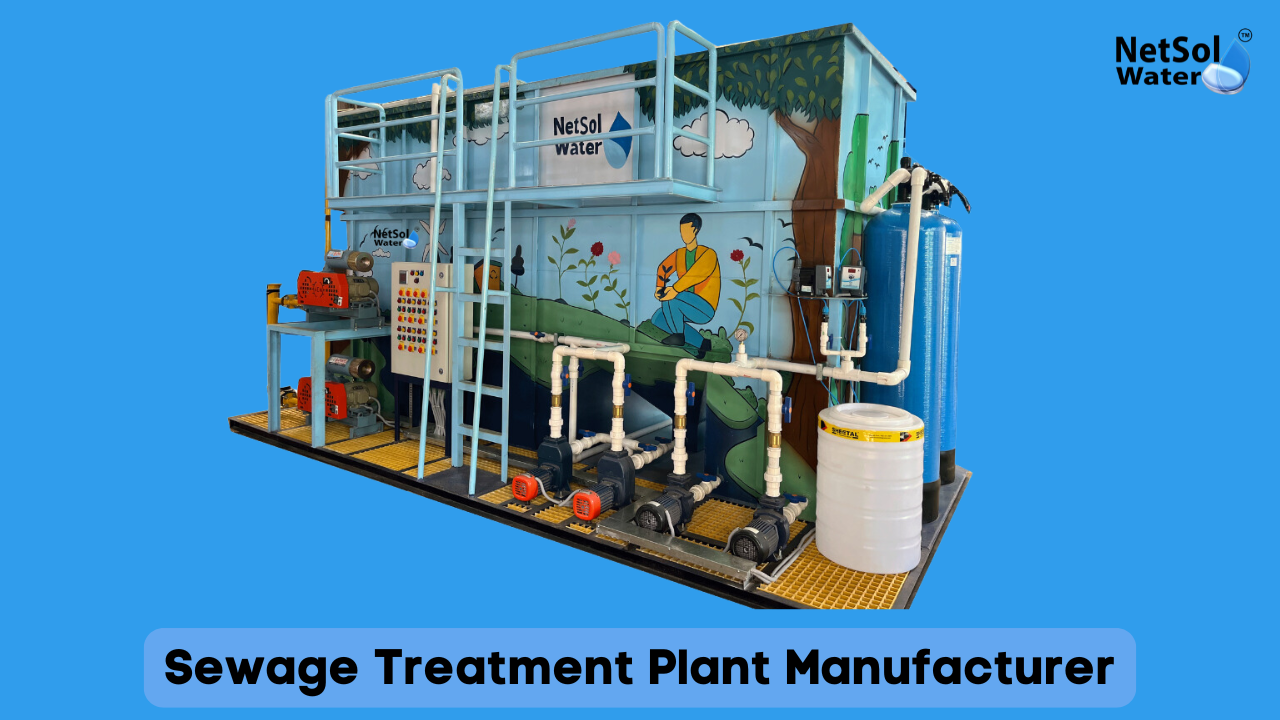
Additionally, integrating a reliable Sewage Treatment Plant manufacturer ensures that domestic and sanitary wastewater within the facility is also treated efficiently, enabling a comprehensive approach to water management and full regulatory compliance.

Write a comment ...