The textile industry is one of the largest contributors to industrial wastewater due to extensive use of dyes, chemicals, and water in processes such as dyeing, bleaching, printing, and finishing. These operations generate wastewater with high color intensity and complex chemical composition. An experienced Effluent Treatment Plant Manufacturer plays a crucial role in helping textile industries treat such wastewater efficiently while meeting environmental regulations and sustainability goals.
Role of an Effluent Treatment Plant Manufacturer in Textile Wastewater Treatment
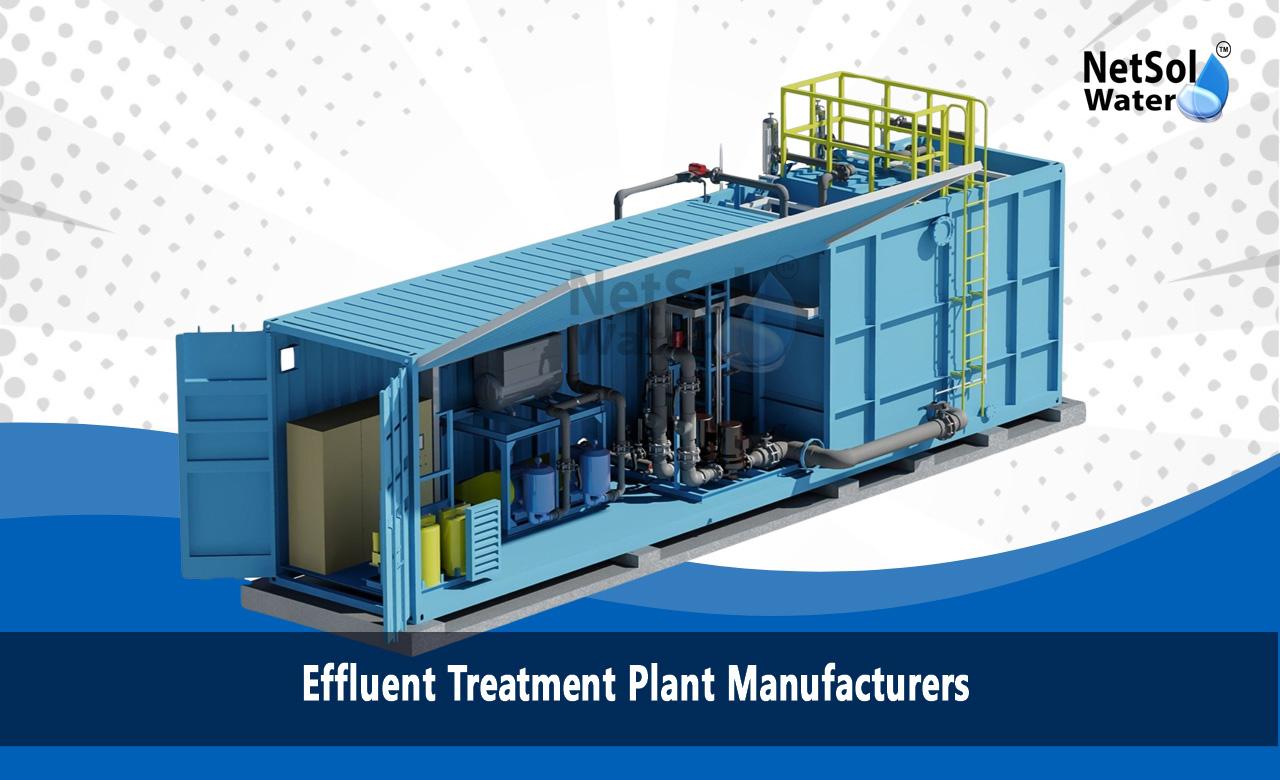
A professional Effluent Treatment Plant Manufacturer designs and delivers customized wastewater treatment systems based on the specific characteristics of textile effluents. Unlike standard treatment systems, textile ETPs require advanced technologies to handle high color, chemical load, and fluctuating wastewater quality.
An Effluent Treatment Plant Manufacturer provides:
Detailed wastewater analysis and process design
Customized ETP systems for textile units
Installation, commissioning, and automation
Operation and maintenance support
Challenges in Treating Textile Color and Chemical Effluents
Textile wastewater presents several challenges:
Strong and persistent color from reactive and azo dyes
High Chemical Oxygen Demand (COD) and Biological Oxygen Demand (BOD)
Presence of salts, surfactants, and finishing chemicals
Toxic compounds and heavy metals
Fluctuating pH levels
An experienced Effluent Treatment Plant Manufacturer understands these challenges and integrates suitable treatment technologies to ensure effective pollutant removal.
Treatment Stages Designed by an Effluent Treatment Plant Manufacturer
1. Preliminary Treatment
An Effluent Treatment Plant Manufacturer designs preliminary treatment to remove physical impurities:
Screening for fibers and suspended solids
Grit removal systems
Equalization tanks to balance flow and pollutant load
2. Primary Treatment for Color and Chemical Removal
Primary treatment is a key focus area for an Effluent Treatment Plant Manufacturer:
Coagulation and flocculation using optimized chemical dosing
Flash mixers and flocculation tanks
Primary clarifiers for sludge separation
This stage significantly reduces color intensity and chemical contamination.
3. Secondary Biological Treatment
For organic pollutant reduction, an Effluent Treatment Plant Manufacturer incorporates:
Activated Sludge Process (ASP), MBBR, or SBR systems
Aeration tanks for microbial degradation
Secondary clarifiers
This stage ensures effective reduction of BOD and COD.
4. Tertiary and Advanced Treatment
To meet strict discharge or reuse standards, an Effluent Treatment Plant Manufacturer integrates advanced treatment systems:
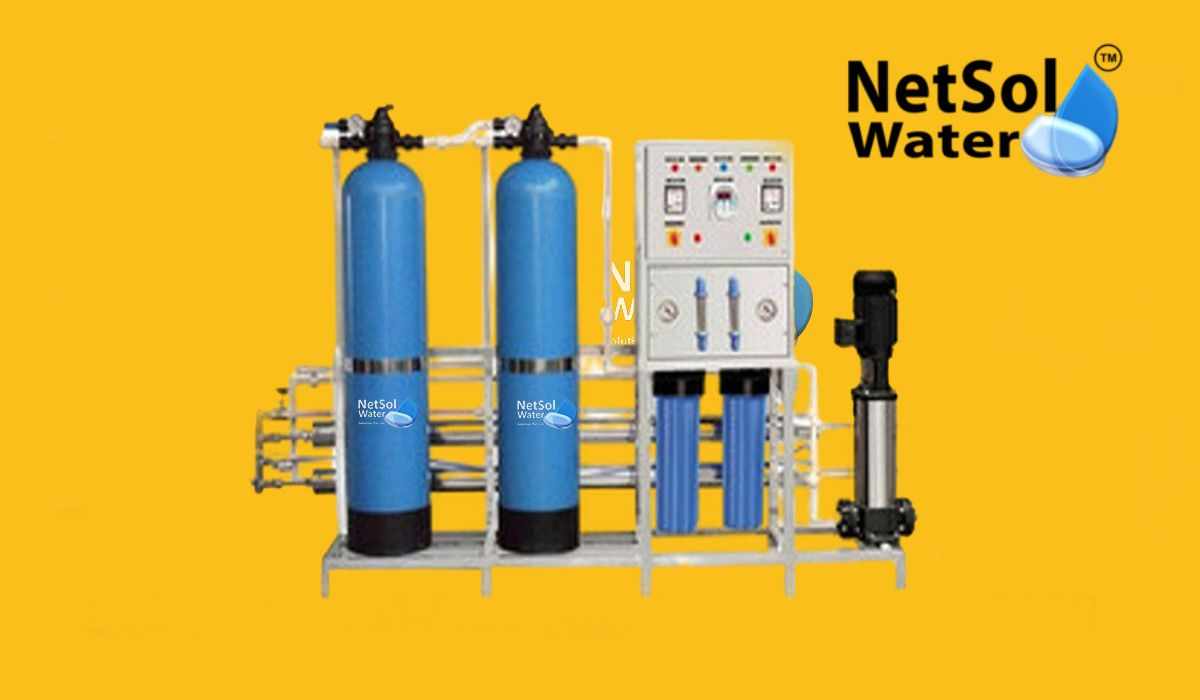
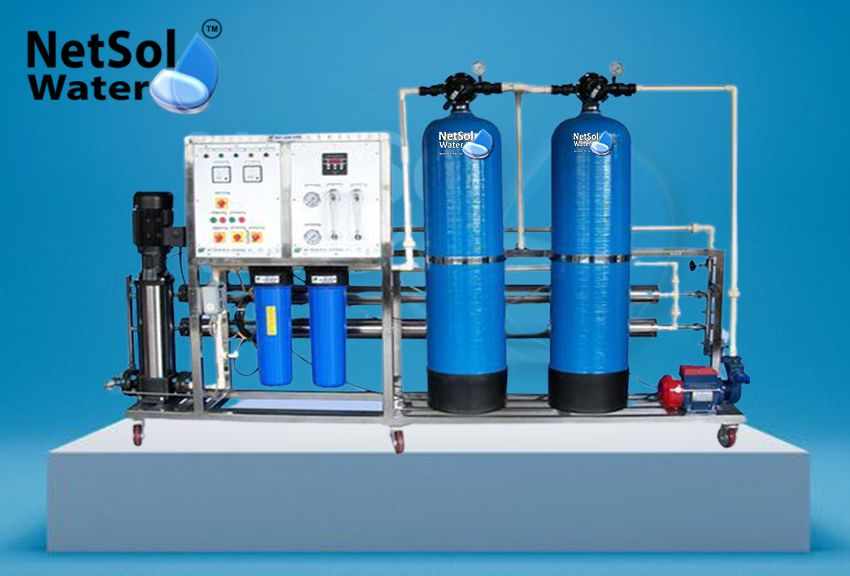
Pressure Sand Filters (PSF)
Activated Carbon Filters (ACF) for residual color removal
Advanced Oxidation Processes (AOPs)
Ultrafiltration (UF) and Reverse Osmosis (RO) systems
These processes produce high-quality treated water suitable for reuse.
Chemical Effluent Treatment Expertise of an Effluent Treatment Plant Manufacturer
Chemical effluents are effectively treated through:
pH correction and neutralization systems
Chemical precipitation for heavy metal removal
Oxidation and reduction processes
A skilled Effluent Treatment Plant Manufacturer ensures safe handling of complex textile chemicals.
Benefits of Choosing the Right Effluent Treatment Plant Manufacturer
Partnering with a reliable Effluent Treatment Plant Manufacturer offers:
Efficient removal of color and hazardous chemicals
Compliance with pollution control board norms
Reduced freshwater consumption through water reuse
Support for Zero Liquid Discharge (ZLD) systems
Long-term operational reliability
Selecting the Best Effluent Treatment Plant Manufacturer for Textile Industry
When selecting an Effluent Treatment Plant Manufacturer, textile units should consider:
Proven experience in textile wastewater treatment
Customized and scalable plant designs
Energy-efficient and cost-effective technologies
Strong after-sales service and technical support
Conclusion
An experienced Effluent Treatment Plant Manufacturer plays a vital role in treating color and chemical effluents generated by the textile industry. By providing advanced, customized, and reliable ETP solutions, manufacturers help textile units achieve regulatory compliance, reduce environmental impact, and move toward sustainable manufacturing practices.


Write a comment ...